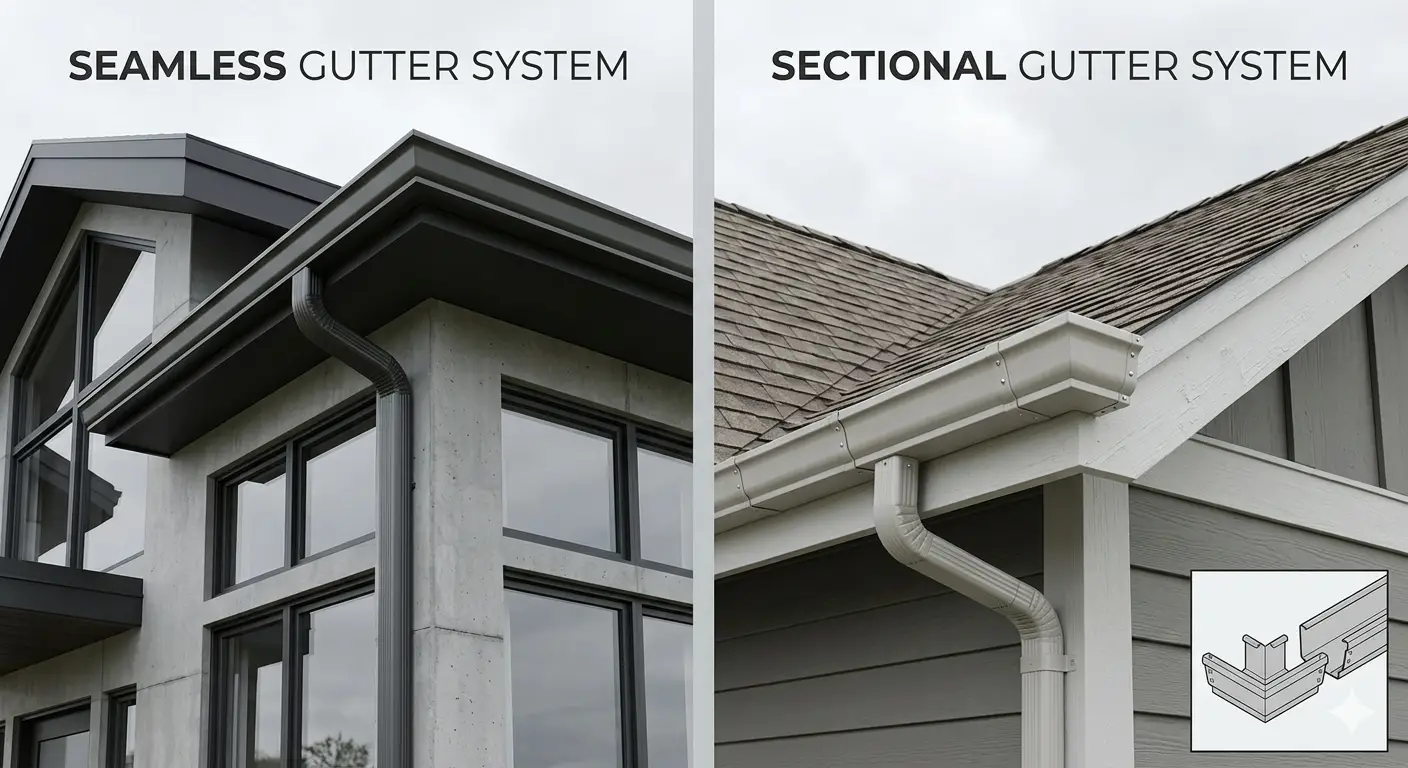
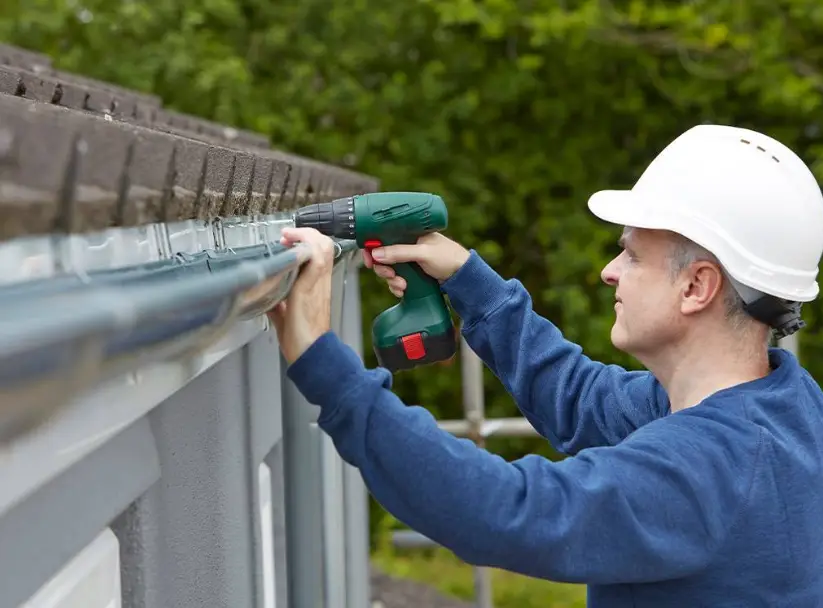
Why Gutter Replacement Matters
Gutter replacement is a preventive step that is important for the overall health of a property. If gutters are old, cracked, or developing leaks, replacement becomes necessary because they drain water properly. Without proper drainage, there can be leaks, foundation issues, cracks, and wall dampness.
Clogged gutters can also affect the landscape and garden, damaging plants. Efficient water drainage is very important for the safety of the structure. Detecting minor issues on time and avoiding repeated repairs makes gutter replacement important, so you can safe from expensive repairs.
Routine inspection combined with replacement is the best practical approach. There are several gutter types available in the market, like aluminum, steel, and vinyl, which provide long-term durability.
Different Types of Gutters: Materials Explained
Gutters are available in different materials, and each material has its own advantages and limitations. The most common material is aluminum. It is weightless, rust-resistant, and comfortable to maintain. Aluminum gutters are durable and easy to install.
Steel gutters are also popular. They are strong and durable, but they can rust if the coating is not proper. Steel gutters are suitable for heavy rains as they can handle water easily.
Vinyl gutters are a lightweight and cost-effective option. They are rust-proof and easy to install. However, they may crack in extreme weather. If the building experiences extreme temperatures, vinyl gutters should be considered carefully.
Copper gutters are a premium option. They are corrosion-resistant and develop a natural patina over time. Copper gutters are visually appealing and long-lasting, but they are quite expensive.
Galvanized steel is another option made from coated steel. It is moderately solid and corrosion-resistant. Installation can be tought, but it gives a perfect balance of endurance and execution.
When choosing gutter material, it is crucial to examine the building’s location, climate conditions, and costs. The durable material ensures efficient water drainage and reduces long-term maintenance.
Choosing the Best gutter material for homes
When selecting gutters design the main thing to be sure is the size of the building and the roof type. For extensive roofs or areas with intense rainfall, wider and stronger gutters are better. For small homes, standard-size gutters are sufficient and easier to maintain.
When selecting the material, you should have basic information for material. Aluminum is lightweight and rust-resistant, steel is durable but has a slightly higher hazrd of rust, vinyl is a affordable option but may crack in extreme temperatures, and copper is strong and durable but expensive.
The shape and design of gutters also matter. K-style gutters are more common and divert water efficiently. Half-round gutters give a traditional look, but installation and maintenance can be a bit more challenging.
It is important to pay attention to the installation location and slope. Gutters should be properly angled so water flows smoothly to the downspouts. If the slope is improper, it can create water overflow and damage the foundation.
Gutter replacement cost
The cost of Home gutter replacement depends on different factors. The main factor is the gutter material. Aluminum gutters are generally cost-effective and are mostly used in residential areas. Steel and copper gutters are expensive because they are heavier and longer-lasting.
The size of the house and the length of the gutters also influence the cost. Larger roof lines need more material and labor, which upgrades the overall expenses. Installation in multi-story homes is more complex, so labor charges may be higher.
Removing old gutters is also part of the cost. If existing gutters are damaged or rusted, safe removal takes extra time. In some cases, fascia repair is needed, which adds to the total expense.
Location and local labor rates also play an important role. Installation costs vary from area to area. When planning a budget, it is practical to consider material, labor, and future maintenance. Proper planning helps avoid unexpected expenses.
Tips for Maintaining Your New Gutters
Maintaining new gutters is simple if regular care is done. The most basic step is gutter cleaning. Leaves, dust, and debris build up over time and should be removed every few months, especially before the rainy season.
Checking water flow is also important. During rainfall, it should be observed whether water is flowing smoothly toward the downspouts. If water is standing or overflowing, it may be a sign of blockage.
Gutter joints and seams should be checked regularly. Loose connections or small leaks can be repaire at an early stage, which helps avoid future damage. Minor leaks can be easily repaired using sealant.
Keeping downspouts clear is equally important. If a downspout is blocked, the entire gutter system is affected. Make sure water is draining away from the foundation.
Inspection after bad weather is also helpful. After heavy rain or storms, gutter alignment and support brackets should be checked. Routine maintenance keeps the gutter system effective for a longer time and helps avoid expendable repairs.
Conclusion
The function of a gutter system is not only to collect water, but to direct it in the proper way. When gutters are in good condition, water flowing from the roof is kept away from the walls and foundation. This decreases the risks of structural damage.
Selecting the durable material, expert gutter installation, and routine maintenance creates a balanced system. If any one of these steps is neglected, the entire drainage system can be affected. Minor problems like leaks or blockages, if repaired on time, help avoid expensive repairs.
Frequently Asked Questions
When is gutter replacement necessary?
If gutters have cracks, rust, leaks, or keep overflowing, replacement should be considered. Old gutters can sometimes be repaired, but for the long term, new gutters are a better option.
How often should gutters be cleaned?
Cleaning two to three times a year, ideally every six months, is recommended. If there are many trees around your home, leaves and debris accumulate faster, so more frequent cleaning may be needed.
Is the same gutter size suitable for all homes?
No. The size of the roof and the intensity of rainfall determine the gutter size. Larger roofs and areas with heavy rainfall perform better with wider and stronger gutters.