
What to Expect During a Professional Roof Replacement
Often, roof damage can be fixed through repairs, but when a roof is old or has major damage, replacement becomes necessary. In such situations, you should always choose professional roofers because they are certified, experienced, and have handled all types of roof replacement services. Professional contractors analyze the overall health and structure of your roof and detect every minor and major issue, including damage, weak areas, and material problems. After a proper inspection, they provide you with an estimate that includes the timeline, labor costs, and durable material options.
Before a roof replacement, it is important to protect the surrounding areas of the house to prevent any kind of damage. These areas are secured using tarps and protective covers. Before the replacement process, knowing expert services, surrounding-area protection, and the main steps involved is necessary so you can achieve long-term benefits. This introduction gives you a clear overview of how professional roof replacement is realistically completed.
Initial Inspection, Planning, and Project Preparation
Initial Inspection: Before a professional roof replacement, your roof undergoes a complete inspection. Contractors closely examine the roof to detect weak spots, leaks, and both minor and major damage. This includes analyzing the overall strength of the roof, the quality ofthe decking, and the ventilation points. This assessment helps experts determine the most durable methods and materials to use.
Planning: After the inspection, a full plan for the replacement is prepared, including labor costs, durable materials, and an accurate timeline, along with a clear estimate. Experts explain the different types of materials, their benefits, and costs, guiding you to select the best eco-friendly and durable options according to your needs.
Project Preparation: Before the project begins, certain preparations are necessary. Special care is taken to protect surrounding furniture, plants, and other belongings to prevent any damage. Safety measures are implemented, and the project schedule is confirmed. This step ensures that when the work starts, the process is smooth, organized, and safe.
Roof Tear-Off and Decking Evaluation
Roof Tear-Off: In the next step, professionals perform the tear-off of the old roof, carefully removing old shingles and roofing materials with the help of a skilled crew. This step is carried out with close attention to ensure that the underlying structure remains secure and no unnecessary damage occurs. During this process, contractors manage construction debris and keep the area clean.
Decking Evaluation: Decking serves as the base structure of the roof. Its repair is essential for the durability and strength of the roofing materials. Contractors carefully inspect the decking for any cracks, rot, or weak spots, and if any issues are found, they are immediately repaired.
Underlayment and New Roofing Installation
Underlayment: The underlayment is applied as a protective layer between the decking and the shingles, particularly along the roof’s corners and edges. It serves as a waterproofing and extra protective layer, safeguarding the roof from future moisture and leaks. Contractors carefully spread the underlayment to ensure it provides additional protection and confirm that all edges and corners are properly covered.
New Roofing Installation: After this, the new roofing material is installed. Contractors, considering the condition of the roof, recommend durable and high-quality materials to clients for long-term results. Shingles, tiles, or metal panels are carefully attached. Contractors pay close attention to alignment, overlaps, and fasteners to ensure the roof is durable and evenly fitted.
At this stage, flashing and ventilation components are also properly installed to prevent water seepage and maintain proper airflow. During installation, safety and quality standards are strictly followed.
Flashing, Ventilation, and Essential Upgrades
Flashing: During roof installation, the installation of flashing and ventilation components is critical. Flashing consists of metal strips placed around roof edges, chimneys, vents, and joints. Their main purpose is to prevent water seepage, avoid leaks, and extend the roof’s lifespan. Contractors carefully fit the flashing and ensure it is secure and leak-proof.
Ventilation: The ventilation system is also important for the roof. Proper airflow between the attic and roof helps reduce moisture and heat build-up. This step is essential for both the structural integrity of the roof and home energy efficiency. Contractors properly install ridge vents, soffit vents, and other components.
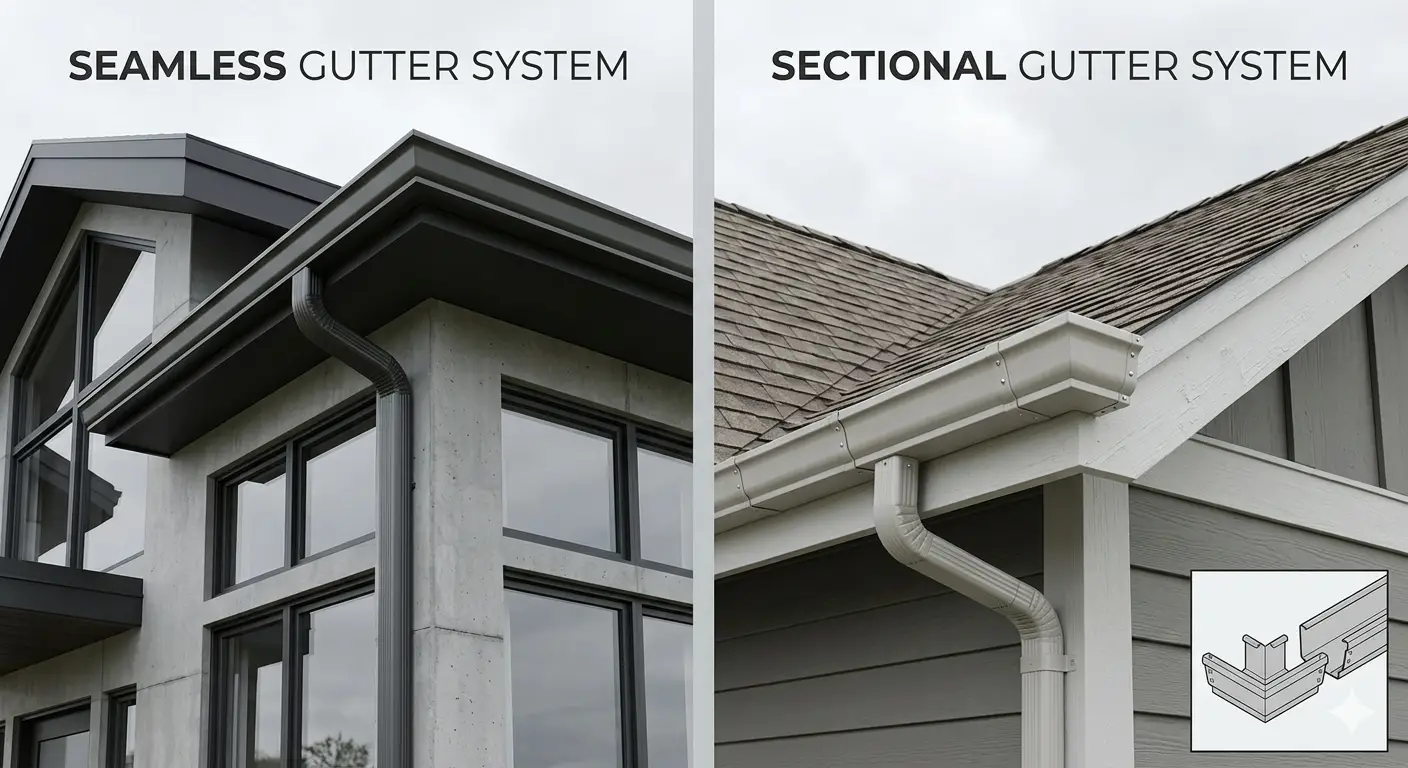
Essential Upgrades: At this stage, any additional upgrades or repairs, such as gutter replacement, insulation improvement, or protective coatings, are also included. This ensures that the roof is not only durable but also optimized for long-term performance.
Conclusion
Professional roof replacement is a careful and detailed process that ensures the roof remains durable and functional for the long term. It starts with a thorough inspection of the roof, where contractors check for weak spots, leaks, and both minor and major damage, as well as evaluate decking quality and ventilation points. Based on this assessment, a complete plan is prepared, including labor costs, material options, and a clear timeline. Proper project preparation ensures that surrounding furniture, plants, and other belongings are protected, while safety measures are implemented for a smooth and organized workflow.
The old roof is carefully removed, and the decking is inspected and repaired if necessary to maintain structural strength. Underlayment is applied as a protective layer, and new roofing materials, such as shingles, tiles, or metal panels, are installed with attention to alignment, overlaps, and fasteners. Flashing and ventilation components are properly fitted to prevent leaks and maintain airflow. Any additional upgrades, such as gutter replacement or insulation improvement, are included to optimize performance. Following these steps ensures that the roof is not only durable and secure but also prepared for long-term efficiency and protection.