


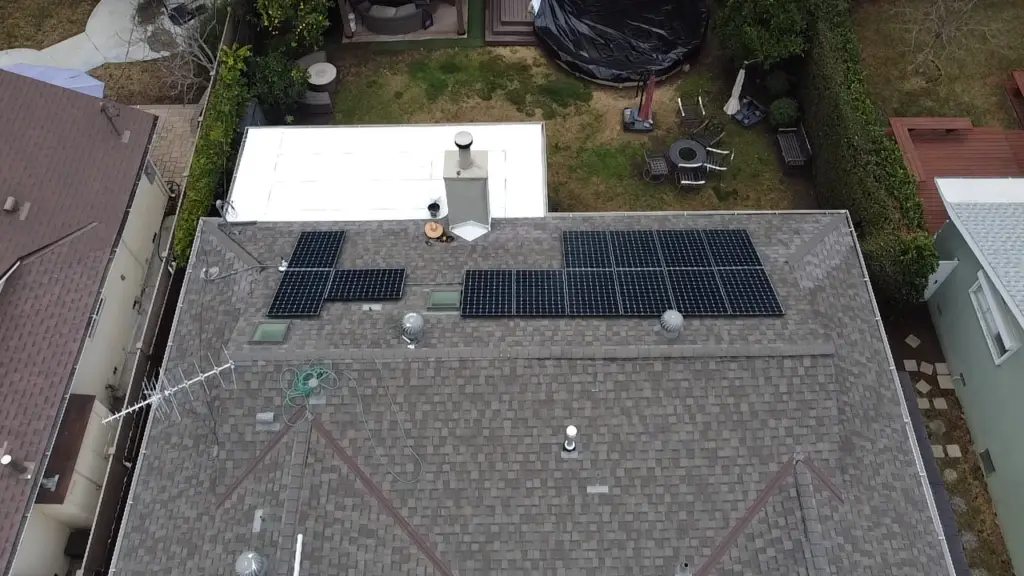
For any property owner in the tri-state area, your roof is the first line of defense against New York’s relentless weather cycles. When you are managing a brownstone in Brooklyn or a suburban home in Queens, the question of how long a roof lasts is central to your financial planning. A roof is one of the most significant investments you will make in your property, and understanding its expected “shelf life” helps you avoid the chaos of emergency leaks and unplanned expenses.
In 2026, roofing technology has advanced, but the local climate remains a challenge. From the humid, baking summers that dry out shingles to the freezing winters that create damaging ice dams, New York roofs work harder than those in almost any other region. According to recent 2025-2026 industry data, the average roof lifespan varies dramatically by material, ranging from about 20 years for asphalt shingles to over 100 years for slate or tile systems when properly installed and maintained.
So, let’s break down the technical details of roof lifespan by material, identify the warning signs of failure, and provide actionable steps to ensure your shelter stays secure for decades.
The Average Roof Lifespan in New York
When people ask, “How long does the average roof last?” they are usually referring to the most common material: asphalt. In a vacuum, a high-quality roof is designed to last between 20 and 50 years. However, “average” is a tricky term in a city of diverse roof types. A flat roof on a Manhattan commercial building has a very different life cycle than a slate roof on a historic Tudor home in the Bronx.
In the NYC metro area, several local factors “tax” a roof’s longevity more than national averages suggest:
- Thermal Expansion: The rapid temperature rise from 15°F in February to 95°F in July causes roofing materials to expand and contract, leading to cracking and seam failure.
- Pollution and Grime: Urban soot and pollutants can settle on roofing surfaces, holding moisture against the material and accelerating decay.
- Wind Uplift: High-rise density creates wind tunnels that can peel back poorly secured shingles or membranes.
Because of these variables, knowing the specific roof lifespan of your chosen material is the only way to accurately predict when you’ll need a roof replacement.
Lifespan Breakdown: How Different Roof Types Compare
The material you choose is the single biggest factor in determining your home’s protection timeline. Here is a professional breakdown of what to expect from the most common roof types used in 2026.
The Asphalt Roof Lifespan
Asphalt remains the most popular choice for over 75% of residential properties due to its balance of cost and performance. However, there is a significant difference within this category:
- 3-Tab Shingles: These are the traditional, flat shingles. The lifespan of a 3-tab shingle roof typically ranges from 15 to 20 years. In NYC, they are often the first to show wind damage.
- Architectural Shingles: Also known as dimensional shingles, these are thicker and more durable. The lifespan of asphalt roof shingles is much longer, often reaching 25 to 30 years with proper ventilation.
Longest Lasting Roof Materials
If your goal is a “once-in-a-lifetime” installation, you should look toward premium materials. These require a higher upfront investment but offer a vastly superior roof lifespan.
- Metal Roofing: Gaining massive popularity in 2026 for its energy efficiency, a well-installed metal roof lasts 40 to 70 years. It reflects solar heat and is nearly impervious to the freeze-thaw cycles that plague shingles.
- Slate and Clay Tile: Often called “permanent roofs,” slate can last 75 to 200 years. Many historic New York buildings still feature the original slate installed over a century ago.
- Synthetic Composites: Modern 2026 polymer roofs mimic the look of slate or wood but offer a roof lifespan of 40 to 50 years with much less weight and maintenance.
| Material Type | Estimated Lifespan | Best For |
| 3-Tab Asphalt | 15–20 Years | Short-term budget focus |
| Architectural Asphalt | 25–30 Years | Standard residential value |
| Metal (Steel/Aluminum) | 40–70 Years | Long-term ROI & Energy Savings |
| Slate | 75–150+ Years | Historical & Luxury properties |
| EPDM/TPO (Flat Roof) | 20–30 Years | Commercial & Modern flat-tops |
5 Factors That Can Kill Your Roof Early
Even the longest-lasting roof materials can fail prematurely if the environment or installation is poor. If you want to maximize your roof’s lifespan, you must manage these five critical roof killers:
- Poor Attic Ventilation: This is the number one cause of early asphalt roof lifespan failure. If heat and moisture are trapped in your attic, they essentially “cook” the shingles from the inside out, causing them to curl and lose protective granules.
- Improper Installation: A roof is only as good as its flashing and underlayment. If the “edges” aren’t sealed properly, water will find its way in long before the shingles wear out.
- Lack of Maintenance: Clogged gutters cause water to back up along the roofline (the eaves). This leads to wood rot in the fascia and deck, requiring a full roof replacement even if the shingles look fine.
- Tree Overhang: Heavy branches can scrape away the protective outer layer of your roof, while falling leaves trap moisture, leading to moss and algae growth.
- Layering Shingles: Some owners try to save money by installing new shingles over old ones. This traps heat and adds immense weight, often cutting the life of a shingle roof by 40%.
The NYC Microclimate: Why Geography Matters
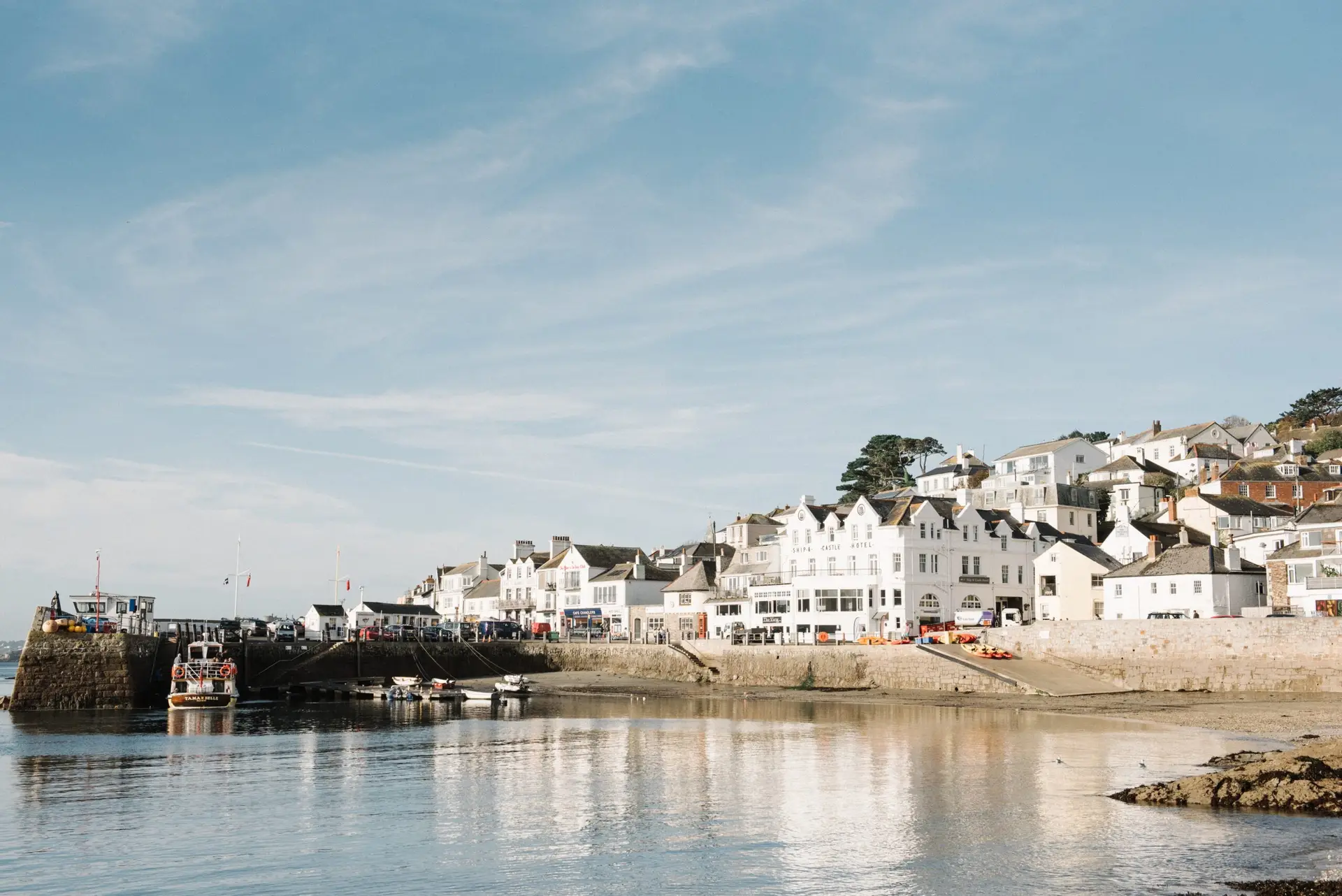
In New York City, the answer to how long a roof lasts can actually change depending on which borough you call home. The city’s unique geography creates “microclimates” that impact the average roof lifespan in different ways.
- Coastal Exposure (Staten Island & Rockaway): Properties near the Atlantic are subject to constant salt spray and higher wind speeds. Salt is corrosive to certain metal flashings and can accelerate the breakdown of lower-quality asphalt shingles. In these areas, the life of a shingle roof may be 15% shorter than that of inland properties unless specialized “High-Wind” rated shingles are used.
- The Urban Heat Island (Manhattan & Downtown Brooklyn): The concentration of concrete and lack of vegetation creates localized “heat islands.” Roofs in these areas can reach surface temperatures 20–30°F higher than the surrounding suburbs. This extreme heat accelerates the “drying out” of roofing materials such as Modified Bitumen and EPDM, leading to cracking and shrinkage.
- Wind Tunnels (The Bronx & High-Rise Districts): Wind gusts between tall buildings create a “Venturi effect” that increases pressure on roof edges. If your roof repair didn’t include reinforced perimeter fixing, you might face uplift issues long before the material itself wears out.
Repair vs. Replacement: When is it Time?
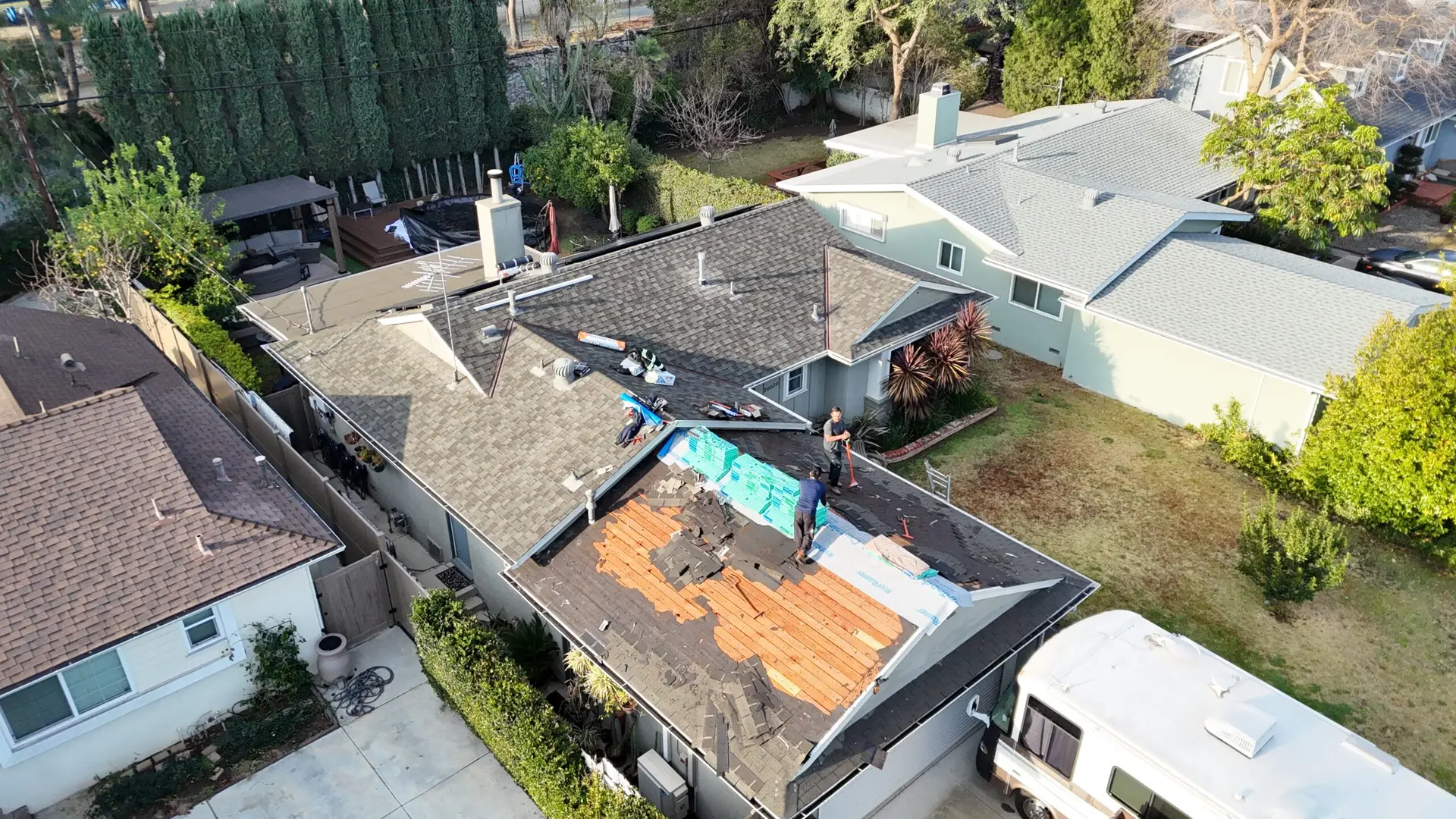
Knowing when to opt for roof repair versus a full roof replacement is a high-stakes decision.
Choose Roof Repair if:
- The damage is localized (e.g., a few shingles lost during a storm).
- The roof is less than 15 years old.
- The underlayment and decking (the wood structure) are dry and sturdy.
Choose Roof Replacement if:
- You see widespread “balding” (granule loss) on your shingles.
- The roof is sagging, or the interior ceiling shows multiple leaks.
- The cost of ongoing repairs over the last two years is approaching 30% of the cost of a new roof.
In 2026, the average cost of a roof replacement in New York is approximately $16,000 for asphalt, while premium materials like slate can exceed $45,000. Making the right call early can save you thousands in secondary damage to your home’s interior.
Plan Today for a Secure Tomorrow
Understanding how long a roof lasts allows you to move from being a reactive property owner to a proactive one. Your roof isn’t just a covering; it’s a complex system that requires the right materials, expert installation, and consistent care to reach its full potential. In a demanding environment like New York City, cutting corners on your roof is a recipe for long-term financial stress.
Whether you are looking for an emergency roof repair after a storm or are ready to invest in the longest-lasting roof materials available today, our dedicated team at Power Roofing NYC is here to guide you. We combine decades of local experience with the latest 2026 roofing technologies to ensure your home stays dry and your investment stays protected.
Don’t wait for a leak to tell you your roof is failing.
Contact Power Roofing NYC today for a professional 21-point roof inspection.
Frequently Asked Questions
How long does the average roof last in NYC?
On average, NYC residential roofs last 20 to 25 years. However, this depends heavily on the material. While asphalt might last two decades, a metal or slate roof can easily protect a property for 50 to 100 years.
What is the typical asphalt roof lifespan?
The lifespan of an asphalt roof is generally 15 to 30 years. Standard 3-tab shingles usually reach the 15-20-year mark, while premium architectural shingles are designed to last 25-30 years in the New York climate.
Which are the longest-lasting roof materials?
The longest-lasting roof materials are slate, clay tile, and copper. These materials are virtually immune to rot and fire, often lasting well over 100 years with minimal maintenance.
How can I extend my roof’s lifespan?
To maximize your roof’s lifespan, ensure your attic has proper ventilation, keep your gutters clean, and have a professional roof inspection every 2-3 years to catch minor issues before they require a full roof replacement.
What are the signs that I need a roof replacement?
Key warning signs include curling or missing shingles, persistent leaks in multiple areas, a sagging roofline, or seeing daylight through the roof boards in your attic.
Is roof repair worth it on an old roof?
If your roof is over 20 years old and experiencing recurring leaks, roof repair is often just a temporary “band-aid.” In most cases, investing that money toward a replacement is the more cost-effective long-term move.
How does NYC weather affect the life of a shingle roof?
New York’s heavy snow, ice dams, and high summer humidity can shorten the life of a shingle roof by making the materials brittle or promoting mold and mildew growth.
Why should I choose Power Roofing NYC for my project?
Power Roofing NYC understands the specific challenges of urban and suburban roofing in the New York area. We offer expert diagnostics, high-quality materials, and a commitment to ensuring your roof reaches its maximum possible lifespan.
Contact Power Roofing NYC today.