



Most homeowners do not think about their roof until something goes wrong. A stain on the ceiling, a shingle in the yard after a storm, a draft that was not there last winter. These are not random inconveniences. They are your roof telling you something. Knowing how to know if you need a roof repair before the damage compounds is what separates a straightforward fix from a full replacement bill.
New York City makes this more urgent than most places. Freeze-thaw cycles, heavy snow, and winter storms are documented threats to NYC’s building stock, and flat roofs across Brooklyn and Queens take the brunt of that punishment every single season. According to Verisk, roof-related costs across the U.S. hit nearly $31 billion in 2024, and most of those bills started with warning signs that got ignored for too long.
What are the Signs You Need Roof Repair?
Most roof damage does not start with a dramatic failure. It starts with small, easy-to-miss details that quietly get worse over time. If you are wondering how to know if you need a roof repair, these are the signs to watch before the damage reaches your interior or your structural decking:
- Water stains on your ceiling or walls. A brown or yellow stain after heavy rain means water is getting in somewhere. The source is rarely directly above the stain, since water travels along rafters before appearing.
- Missing, curling, or cracked shingles. Shingles lifting at the edges or missing entirely leave your roof exposed. A few damaged shingles can usually be repaired quickly, but widespread curling points to age-related wear.
- Granules collecting in your gutters. Heavy granule buildup means your shingles are breaking down and losing their ability to protect against UV exposure and moisture.
- Pooling water on a flat roof. Water sitting on your roof for more than 48 hours is not draining properly. Over time, it weakens the membrane and works its way inside.
- Sagging areas or soft spots. A roof that dips or feels soft underfoot means water has already soaked into the decking or support structure beneath.
- Daylight is visible from the attic. If you can see light coming through your roof boards, water and cold air are getting through those same gaps.
Why Your Roof Needs Fixing Sooner in NYC
New York City puts roofs through a cycle of stress that most other markets simply do not see. The sooner you understand how to tell if you need a roof repair in a city like New York, the better your chances of catching it before the next winter decides for you. Here is what NYC roofs are up against every single season:
- Freeze-thaw cycles. Temperatures fluctuate above and below freezing repeatedly throughout winter. Every time that happens, water inside small cracks expands as it freezes and contracts as it thaws. Over time, membranes lift, seams separate, and the damage works deeper into the decking beneath.
- Flat roof vulnerability. Unlike pitched roofs, flat roofs across Brooklyn, Queens, and the Bronx have nowhere to shed water. It sits directly on the surface through every freeze-thaw cycle, accelerating wear on the membrane with each passing season.
- Aging building stock. A large portion of NYC’s residential buildings were constructed decades ago. Older flat roofs made from modified bitumen or built-up roofing have a lifespan of roughly 15 to 20 years, and NYC conditions push them toward the lower end of that range.
- Hidden damage. If your building is more than 20 years old and has not had a professional roof inspection recently, there is a real chance damage has already started in places you cannot see from the street.
How to Tell If You Need a New Roof
Knowing the signs is one thing. Actually checking your roof systematically is what gives you real answers. You do not need to climb up there yourself to conduct a useful inspection, and in most cases, it is safer not to. Here is how to tell if you need a new roof before calling anyone out.
- Start from the ground. Walk around the full perimeter of your home and look at the roofline from every angle. Look for sagging sections, missing shingles, visible damage along the edges, or any areas where the roofline dips or looks uneven.
- Use binoculars for a closer look. A pair of binoculars gives you a clear view of shingle condition, granule loss, lifted edges, and cracked or missing material without putting you at risk. Look at every section of the roof, not just the parts that face the street.
- Check your gutters after rain. Scoop out your gutters and look for granule buildup, debris from broken shingles, or any visible rust that could indicate standing water. Heavy granule accumulation after a single storm is a red flag.
- Inspect your attic after heavy rain. Go into your attic within 24 hours of a significant rain event and look for water stains on the decking, damp insulation, soft or discolored wood, or any daylight coming through the boards above you.
- Check around flashings and penetrations. Look at the areas around your chimney, skylights, vents, and any roof penetrations. Lifted, cracked, or rusted flashing is one of the most common entry points for water in NYC roofs.
- Track your repair history. If you have had the same area patched more than once in the past two to three years, that pattern is telling you something. Recurring repairs in the same spot usually mean the underlying issue was never fully resolved, and a proper roof installation or full replacement may now be the more cost-effective path.
Roof Repair vs. Replacement – How to Make the Call
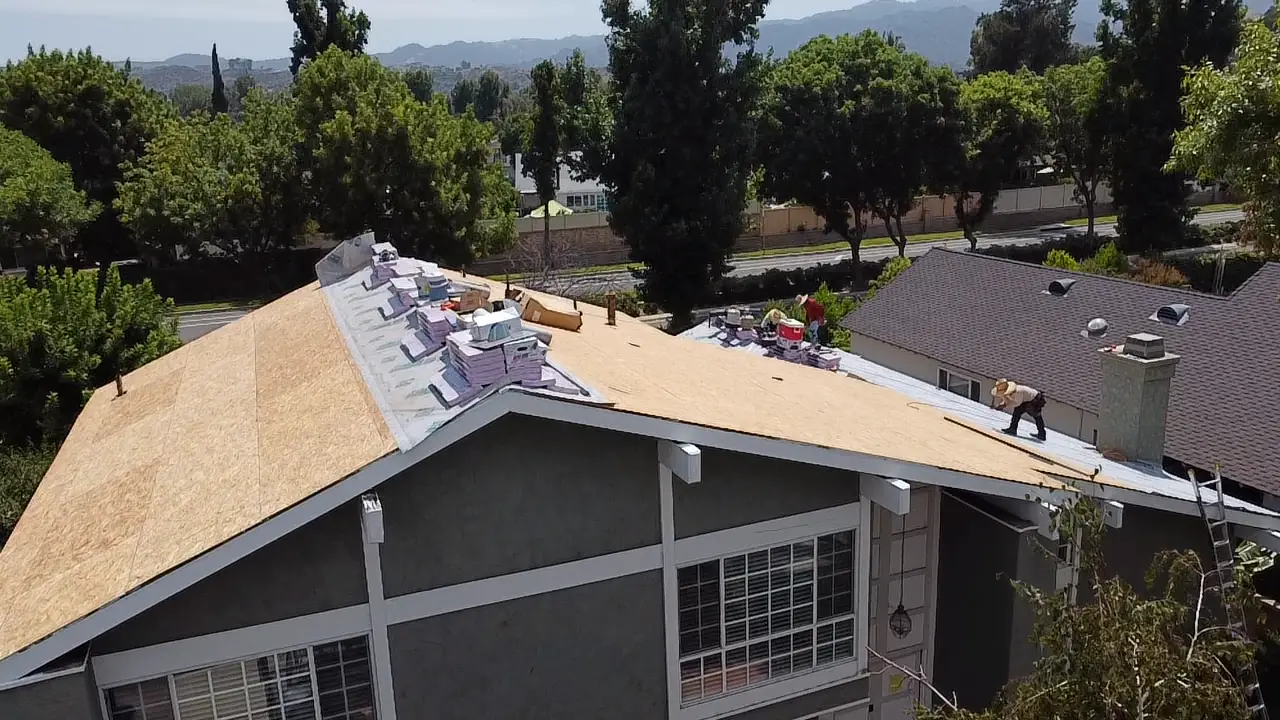
This is the question most NYC homeowners get stuck on, and figuring out whether you need a roof repair or a full replacement is the right conversation to have before spending any money.
Repairs make sense when the damage is isolated, your roof is under 15 years old, and the underlying structure is still sound. A few missing shingles, a small leak around a flashing, or a minor crack in the membrane on a flat roof are all situations where targeted roof repair will hold up well and save you significant money.
Roof replacement becomes the smarter call when damage is spread across large sections, when repair costs are climbing toward 50 percent or more of what a new roof would cost, or when the same areas keep failing after multiple fixes. In NYC, flat roofs that are pushing 20 years old and have recurring leaks are typically better candidates for full replacement than ongoing patchwork.
If you are starting fresh after a full replacement, roof installation by a licensed NYC contractor ensures the new system is built to handle everything the city throws at it. Use this table as a quick reference before making any decisions.
| Situation | Likely Solution |
| A few missing or damaged shingles | Repair |
| Isolated leak around flashing or vent | Repair |
| Roof under 15 years old, with limited damage | Repair |
| Pooling water on a flat roof, membrane cracking | Inspect for repair or replacement |
| Widespread shingle failure across multiple areas | Replacement |
| Recurring leaks in the same spot after repairs | Replacement |
| The roof is over 20 years old with multiple problem areas | Replacement |
| Sagging, soft spots, or structural damage | Replacement |
If you are still unsure after going through this, a professional roof inspection is the fastest way to get a clear answer. A good roofer will tell you exactly what you are dealing with and what your options are before any work begins.
Do Not Wait Until Your Roof Forces the Decision

Knowing when you need a roof repair before the damage compounds is always the better path, and acting on the early signs is what keeps a manageable fix from turning into a full replacement bill. Knowing when to call a roof repair service matters just as much as knowing what to look for.
If your roof is showing any of the warning signs, that is your signal to act. A professional assessment gives you a clear picture of what you are dealing with and what it will cost, before the damage makes that decision for you. The difference between a repair and a full replacement often comes down to how quickly you move.
Power Roofing NYC serves homeowners across Brooklyn, Queens, and all five boroughs. Whether you need a fast repair, a full roof inspection, or honest advice on whether replacement makes more sense, our dedicated team is ready to help.
Get your roof looked at before the next storm makes the choice for you. Contact Power Roofing NYC today.
Frequently Asked Questions
How to know if you need a roof repair or a full replacement?
The key factors are your roof’s age, the extent of the damage, and whether the same areas keep failing after repairs. If your roof is under 15 years old and the damage is isolated, a repair will usually hold up well. If you are seeing problems across multiple sections or your roof is pushing 20 years old, roof replacement is likely the more cost-effective path.
How long does a roof repair take in NYC?
Most standard repairs, such as patching a leak, replacing missing shingles, or resealing flashing, can be completed in a single day. Larger repairs involving flat roof membranes or widespread damage may take two to three days, depending on access and weather conditions.
Can I do a roof repair myself?
Minor tasks like clearing debris from gutters are manageable. Anything involving the roof surface itself, shingles, membranes, flashing, or decking should be handled by a licensed professional. NYC roofs, particularly flat systems, require specific materials and techniques, and improper repairs can void warranties and cause more damage than they fix.
How often should I have my roof inspected in NYC?
At a minimum, once a year, ideally in the fall before winter sets in. If your building is over 15 years old or has a flat roof, a roof inspection twice a year, before and after winter, gives you the best chance of catching damage before it compounds.
How much does a roof repair cost in NYC?
Costs vary depending on the type of roof, the extent of the damage, and the borough’s access conditions. Minor repairs can start around $300 to $500, while more involved work on flat roof membranes or structural decking can run significantly higher. Getting a written estimate before any work begins is always the right move.
Is my roof damage covered by homeowners’ insurance in NYC?
Most standard policies cover sudden damage caused by storms, wind, and falling debris. Document any damage with photos immediately after a storm and contact your insurer before any repair work begins.
Contact Power Roofing NYC today for help documenting damage and getting a detailed written estimate to support your claim.