How many more winters can your siding actually handle?
For most NYC homeowners, the honest answer is fewer than you think. Freeze-thaw cycling, urban pollution, and the specific demands of attached brownstones and row houses accelerate siding deterioration beyond national averages, and by the time visible damage appears, the wall assembly behind it has usually been absorbing moisture for months. Knowing the signs your siding needs replacement before that point is what keeps a manageable project from becoming a structural one.
The New York Building Congress reported that residential rehabilitation and renovation accounted for 43% of all NYC construction spending in 2025, up from 24% the prior year, confirming that exterior upgrades are where NYC property owners are directing their budgets.
Here is how to know if yours should be next.
10 Signs Your Siding Needs Replacement
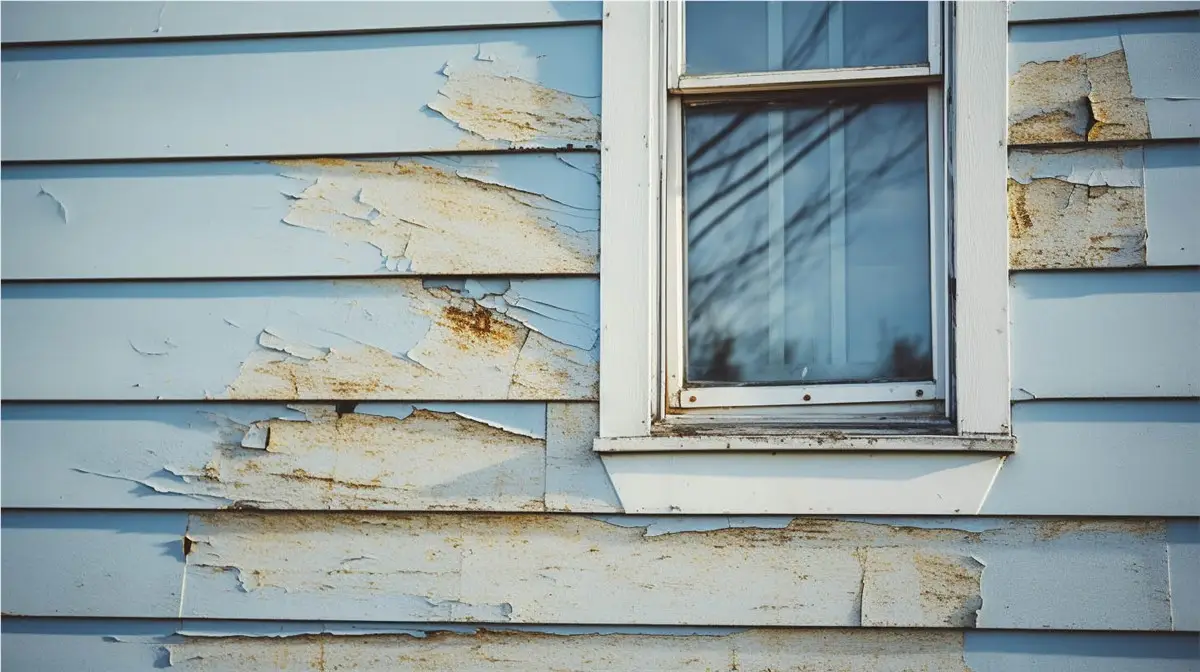
Here are the signs your siding needs replacement that NYC homeowners should check every year before winter arrives:
1. Visible Cracks, Warping, or Buckling Panels
Cracked or warped panels are the clearest sign of structural failure in your siding system. In NYC’s freeze-thaw climate, water enters hairline cracks, freezes, and expands the gap wider with every cycle. By the time warping is visible from the street, the damage behind the panel has usually already reached the wall assembly.
2. Bubbling or Blistering on the Surface
Bubbles and blisters indicate moisture trapped between the siding and the wall beneath it. This is almost always the result of water infiltration that has been occurring for multiple seasons before the bubbling becomes visible. Damaged siding showing this pattern requires immediate inspection before the moisture reaches structural framing.
3. Peeling Interior Paint or Wallpaper
When interior walls adjacent to exterior surfaces show peeling paint or wallpaper, the siding on the corresponding exterior wall has almost certainly been allowing water infiltration for months. This is one of the most reliable early warning signs that most homeowners misattribute to humidity or aging paint.
4. Rot or Soft Spots on Wood Siding
Rot develops when moisture sits in contact with wood siding material long enough to break down the fiber structure. Press a screwdriver gently against any area that looks discolored or darker than the surrounding panels. If it penetrates with minimal resistance, the material has rotted through, and replacement is the only viable path forward.
5. Mold or Fungal Growth on the Surface
Surface mold on siding is not just cosmetic. It indicates a persistent moisture problem that will continue to grow behind the siding even after the surface is cleaned. In NYC’s humid summers, mold spreads rapidly through wall assemblies once it establishes a foothold behind compromised siding material.
6. Fading or Severe Discoloration
Siding that has lost its color uniformly across the entire exterior has typically reached the end of its rated lifespan. Patchy fading or discoloration in specific areas indicates UV damage combined with moisture infiltration and often signals that the material’s protective coating has failed.
7. Increasing Energy Bills Without Explanation
Gaps, cracks, and deteriorated siding material reduce your home’s thermal envelope and force your HVAC system to work harder to maintain indoor temperature. If your energy bills have risen steadily without a change in usage patterns, compromised siding is one of the first exterior elements to investigate.
8. Frequent Need for Repainting
Quality siding retains its finish for 7 to 10 years without repainting. If your siding requires repainting every two to three years to maintain its appearance, the material itself has degraded to the point where paint adhesion is failing, and replacement is more cost-effective than continued maintenance.
9. Pest Damage or Infestation Signs
Holes, gnaw marks, or visible tunneling in wood or fiber cement siding indicate pest activity that compromises both the material and the wall assembly behind it. Once insects or rodents have established entry points through siding, the damage typically extends into the wall cavity and requires professional assessment before replacement.
10. Roof Damage Occurring Alongside Siding Deterioration
Water entering through a compromised roof edge or failed flashing travels down the wall assembly, accelerating siding deterioration from behind. If your siding shows multiple signs of moisture damage simultaneously, a roof replacement assessment alongside your siding inspection helps confirm whether both systems need to be addressed in the same project scope to prevent the roof from undermining new siding from above.
Siding Replacement or Repair?
The siding replacement or repair decision comes down to the extent of the damage, the age of the existing material, and whether the wall assembly behind the siding has been compromised.
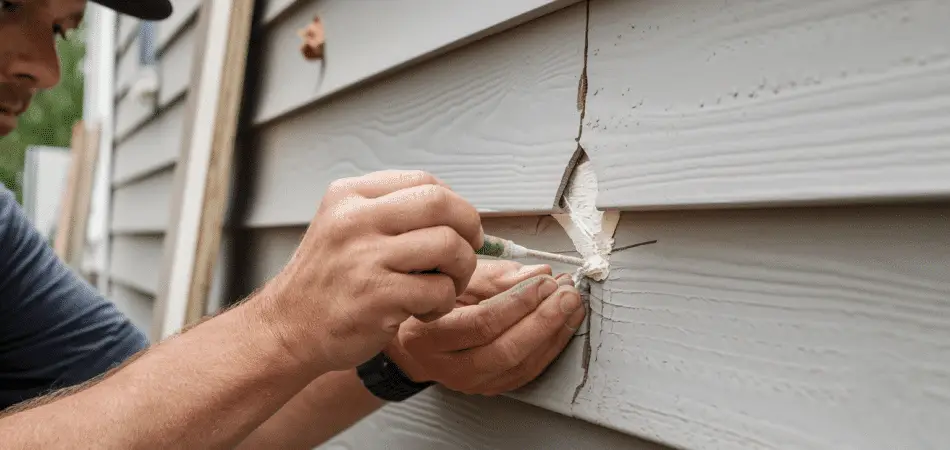
Siding repair is the right call when damage is localized to one or two panels, the existing material is less than 15 years old, and there is no evidence of moisture behind the wall. Replacing individual panels on vinyl or fiber cement typically runs between $300 and $1,500, depending on access and material.
Full siding installation makes more financial sense when damage is widespread, the existing material has exceeded its expected lifespan, or moisture has reached the wall assembly behind the siding. New siding installation on a standard NYC row house ranges from $8,300 to $20,500, depending on the material and borough.
So, is it worth replacing siding on a house? When fiber cement siding returns 113.7 percent of its cost at resale, according to the Zonda 2025 Cost vs Value Report, the answer for most NYC homeowners is yes.
How Often Does Siding Have to Be Replaced?
How often siding needs to be replaced depends on the material and how well it withstands NYC’s specific climate demands.
| Material | Expected Lifespan in NYC |
| Vinyl | 15 to 25 years |
| Fiber Cement | 40 to 50 years |
| Cedar Wood | 15 to 20 years with maintenance |
| Brick Veneer | 50 to 100 years |
| Steel | 30 to 50 years |
Freeze-thaw cycling in NYC shortens the lower end of every range above for moisture-absorbing materials. Annual inspections catch deterioration early and extend the useful lifespan before replacement becomes necessary.
What Is the Trend in Siding in 2026?
What is the trend in siding in 2026 across NYC properties that reflects both aesthetic shifts and performance priorities driven by the city’s climate and building stock?
Fiber cement continues to dominate as the material of choice for NYC renovations, with board-and-batten vertical profiles gaining significant ground in Staten Island and outer-borough detached homes.
Dark exterior color palettes, including deep charcoal, slate gray, and forest green, are the dominant aesthetic trend replacing the beige and cream tones that defined the prior decade.
Insulated siding products that combine a rigid foam backing with the exterior cladding layer are growing in demand as NYC homeowners look for ways to improve thermal performance without adding interior wall depth.
Your Siding Is Telling You Something
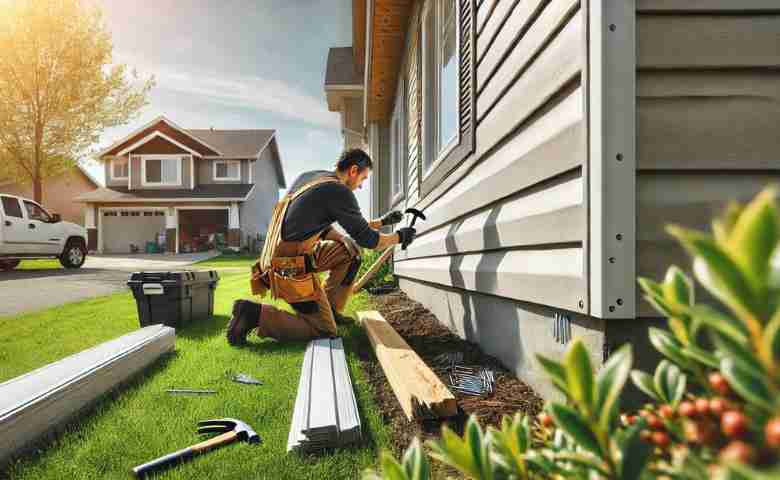
The signs your siding needs replacement do not appear all at once. They build slowly across seasons until the repair scope has grown beyond what a targeted fix can address. Catching them early is what separates a planned project from an emergency one.
Power Roofing NYC handles siding repair, siding installation, and full exterior assessments across all five boroughs, with licensed crews who understand NYC building code, historic district requirements, and how siding and roofing systems work together to protect your home.
Trust the experts. Contact Power Roofing NYC today and get a free estimate.
Frequently Asked Questions
What are the most common signs your siding needs to be replaced?
The most common signs are visible cracking, warping, bubbling, rot, mold growth, peeling interior paint, and rising energy bills. In NYC’s freeze-thaw climate, these signs appear faster than the national average suggests and should be inspected annually before winter.
How do you tell if siding needs to be replaced or just repaired?
Replacement makes sense when damage is widespread, the material is over 15 to 20 years old, or moisture has reached the wall assembly. Repair is sufficient when damage is localized to one or two panels and the surrounding material is structurally sound.
How often does siding need to be replaced in New York City?
Vinyl siding lasts 15 to 25 years in NYC’s climate. Fiber cement lasts 40 to 50 years. Cedar wood lasts 15 to 20 years with consistent maintenance. Freeze-thaw cycling shortens the lower end of every range for moisture-absorbing materials.
Is it worth replacing siding on a house in NYC?
Yes. Fiber cement siding replacement returns 113.7 percent of its cost at resale according to the Zonda 2025 Cost vs Value Report, making it one of the highest-return exterior projects available for NYC homeowners.
What is the current trend in siding for NYC homes in 2026?
Fiber cement in board-and-batten profiles is the dominant trend, with dark color palettes, including charcoal and slate gray, replacing beige tones. Insulated siding products that combine exterior cladding with rigid foam backing are seeing growing demand for their thermal performance.
Can damaged siding affect the roof?
Yes. Water entering through compromised siding travels into the wall assembly and can reach the roof edge and flashing from below, accelerating roof deterioration. Addressing the siding and roof conditions together within the same project scope prevents both systems from undermining each other.
How long does a new siding installation take in NYC?
Most full siding replacement projects on a standard NYC row house take 1 to 2 weeks, depending on materials, building height, scaffolding requirements, and weather. NYC DOB permits and sidewalk shed approvals can add time to the project timeline.
How do I know if my siding damage also affects my roof?
A combined exterior assessment by a licensed contractor is the most reliable way to determine whether moisture infiltration through the siding has reached the roof assembly. Book a roof and siding inspection with Power Roofing NYC before scheduling any replacement work.


