What if the roof over your property was quietly costing you money, comfort, or resale value, and you didn’t even realize it yet? From suburban homes to investment properties and commercial buildings, the roof you choose shapes how a structure performs, looks, and ages. This is why choosing the right roof type for your property is a critical decision.
Several practical factors, including shape, material, climate, and budget, influence the choice of roof. In the United States, asphalt shingles remain the most common roofing option, covering approximately 73% of residential buildings, while metal roofing continues to grow in popularity for its durability and energy efficiency. These trends indicate that property owners increasingly prioritize performance and lifespan over upfront cost.
Different roofs handle heat, storms, weight, and wear in very different ways. Some are built for durability and efficiency; others for style and installation speed; and a few strike a balance between the two. When you know what each option actually delivers in real-world conditions, choosing the right roof becomes far less overwhelming and far more strategic.
What Should You Consider Before Choosing a Roof?
Before settling on any roofing options, it’s worth stepping back and considering how the property is actually used. A family home, a rental property, and a commercial building all place very different demands on a roof. Foot traffic, interior temperature control, maintenance access, and long-term durability should all influence the decision, not just its appearance.
Another key factor is the roof shapes themselves. Roofs that are steep, sloped, flat, or curved all behave differently under rain, snow, and wind.
Climate and Weather Conditions
Climate should be the first to consider when narrowing down roof types. The way a roof handles rain, snow, wind, and heat directly affects its service life and its ability to protect the property. Sloped roofs, for example, are effective at quickly directing water away, reducing the risk of leaks and moisture buildup in wet or snowy regions.
During hot, sunny months, reflective materials and proper ventilation help minimize heat absorption, keeping interiors cooler and lowering energy costs. Selecting a roof suited to local weather conditions reduces long-term maintenance costs and extends overall lifespan, which is especially important for urban properties exposed to seasonal extremes.
Home and Property Architectural Style
A property’s architectural style influences which roof styles are both practical and visually appealing. Gable and hip roofs complement traditional designs, providing strong water runoff and attic space. On the other hand, shed and flat roofs suit contemporary or minimalist structures.
The right roof balances aesthetic appeal with structural integrity, ensuring the frame can support the design without costly modifications. Some roof structures require additional reinforcement, particularly when adding features such as rooftop terraces or solar panels. Proper alignment between style, structure, and material ensures durability and long-term satisfaction.
Roofing Materials
Choosing the right material is just as important as selecting the roof style. Different materials behave differently in the weather, age at different rates, and affect your maintenance schedule and budget. Knowing the options makes it easier to pick a roof that will protect your property for decades.
Asphalt shingles are the go-to choice for many property owners. They’re affordable, work on almost any roof type, and usually last 20–30 years. Metal roofing costs more upfront, but it can last 40–70 years with minimal maintenance.
Rubber or membrane roofs (EPDM/TPO), on the other hand, are well-suited for flat or low-slope roofs, especially when rooftop access is required. With professional installation, they’re durable and cost-effective.
When you choose the right materials, you also ensure your roof remains functional, attractive, and low-maintenance for years to come.
Budget
Budget is usually the first question on every property owner’s mind, but it’s important to look beyond just the upfront cost. A cheaper roof today can turn into expensive repairs tomorrow if the material or design isn’t suited to your property and climate.
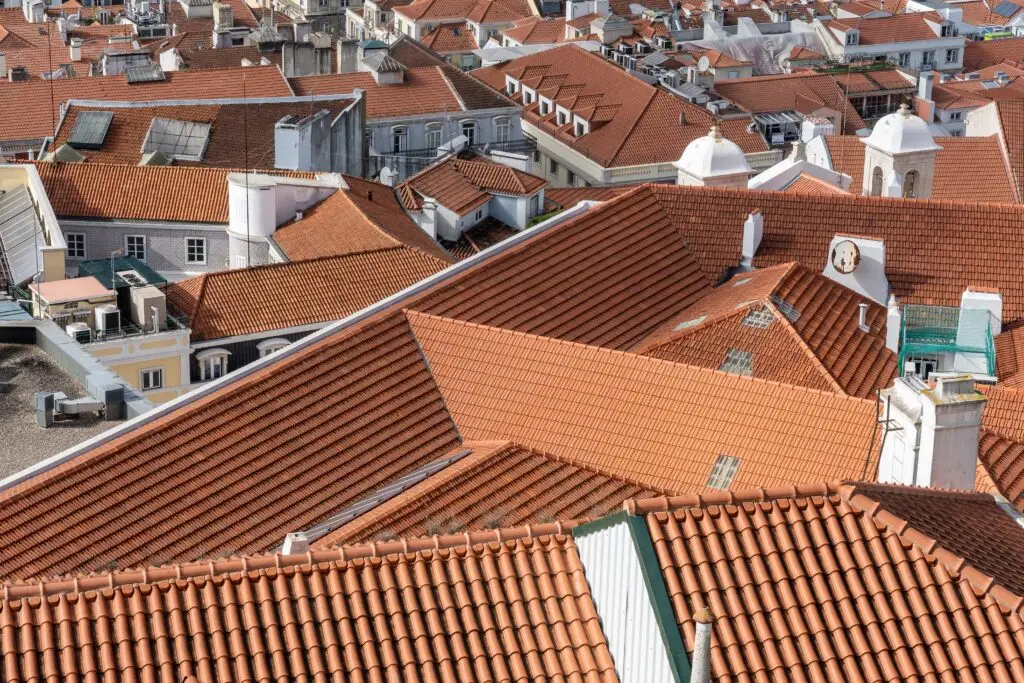
For those who prioritize style and durability, tile or slate roofs offer unmatched longevity, often 50–100 years. Installation is more expensive, and the structure requires additional support, but the payoff is a roof that can last for generations.
Ultimately, your budget works best when it’s paired with smart roof designs and materials that fit your property’s needs, climate, and goals. Planning this way protects your investment and gives peace of mind.
Different Types of Roof
Gable Roof
The gable roof is the classic triangular roof that most people picture when they think of a house. It’s simple and cost-effective, and it allows rain and snow to slide off easily, reducing maintenance. Gable roofs are popular across many property styles because of their versatility. The main drawback is that they can be less stable in high winds unless properly reinforced; additional bracing or structural support may be required in exposed areas.
Hip Roof
A hip roof has four sloping sides that meet at a ridge, creating a strong, stable structure. Its design provides excellent wind resistance and adds to the property’s durability. This style is ideal for areas prone to storms. However, hip roofs are more complex to build and usually cost more than simpler designs, which may impact your budget.
Flat Roof
Flat roofs are common in modern homes and commercial properties. They provide extra usable space for solar panels, rooftop gardens, or HVAC units. The downside is that they require careful waterproofing and more frequent maintenance to prevent leaks, especially in rainy or snowy climates.
Shed Roof
A shed roof consists of a single sloping plane, often seen in contemporary homes or home additions. It’s easy to build and gives a modern aesthetic. On the flip side, shallow slopes can lead to poor water drainage, so careful design and material selection are key.
Gambrel Roof
The gambrel roof is the iconic barn-style roof with two slopes on each side. It provides extra attic or loft space, making it perfect for properties that need storage or extra rooms. The main challenge is its more complex framing, which increases construction costs and requires precise materials.
Mansard Roof
A mansard roof features steep lower slopes and flatter upper slopes, providing usable attic space. It’s popular in classic European-inspired architecture. While it adds interior space, it’s expensive to build and requires regular maintenance to maintain its appearance and durability.
Butterfly Roof
A butterfly roof has inward slopes, creating a central valley. It’s excellent for collecting rainwater and provides a modern, stylish look. However, the central valley increases the risk of leaks, so waterproofing and proper drainage are critical to avoid issues.
Curved & Domed Roofs
Curved or domed roofs offer a distinctive, aerodynamic design. They’re great for modern or luxury properties looking for a unique statement. On the downside, they require specialized materials and expert design, which can drive up costs.
Clipped Gable Roof
A clipped gable roof is essentially a gable roof with the peaks clipped to form small hips. This design adds extra wind resistance and subtle character to the property. The trade-off is slightly higher construction costs compared to a standard gable roof.
Dutch Gable Roof
A Dutch gable combines hip and gable styles, providing extra attic space and natural light. It works well for larger homes and properties that need interior space. The drawback is more complex framing, which can increase both construction time and costs.
Combination Roofs
Combination roofs combine two or more roof styles on the same property, enabling highly customized, architecturally unique designs. They’re perfect for properties with irregular layouts or modern aesthetics. However, they can be expensive to build and more challenging to maintain over time.
Roof Installation & Maintenance Tips
Getting a new roof is not just about picking the roof type and styles. It’s also about proper installation. Professional roof installation ensures your property is safe, the roof performs as intended, and warranties remain valid. To get the most value from your new roof, keep these essential tips in mind:
- Schedule regular roof inspections to catch minor issues early before they lead to leaks or costly repairs.
- Choose roofing materials that suit your home’s structure and exposure to improve durability and long-term performance.
- Ensure proper ventilation and insulation to prevent moisture buildup and reduce heat-related wear on roofing materials.
- Address minor issues immediately, such as missing shingles or damaged flashing, to prevent structural damage.
- Hire experienced, licensed roofing professionals to avoid installation errors and protect your investment.
Attempting a DIY approach might save money upfront, yes, but mistakes can lead to leaks, structural damage, and costly roof repairs down the line. Don’t forget, hiring experienced roof installers not only protects your investment and gives peace of mind.
In Summary
When you choose the right roof types for your property, you are making more than a design decision. The type of roof you choose is an investment in safety, performance, and long-term value. The right roof balances durability, cost, materials, and the shape that best suits your building. When done right and paired with professional installation, your roof can protect your property for decades.
With Power Roofing NYC, you get expert guidance to make the right choice for your property. Our team ensures the job is done correctly, efficiently, and to the highest standards. Enjoy peace of mind knowing your roof will perform reliably year after year.
Ready to take the next step? Contact Power Roofing NYC today for a consultation and a customized estimate.
FAQ
How much does roof installation usually cost?
Costs vary based on roof type, materials, and property size. Most installations range from $7,000 to $28,000.
Can I install solar with any roof type?
Most roof types can support solar panels, but slope, orientation, and structural capacity must be considered.
What roof material is most energy-efficient?
Metal and light-colored shingles reflect heat effectively, reducing cooling costs.
How often should I inspect my roof?
Inspect your roof at least twice a year and after severe weather. Look for damaged shingles, clogged gutters, and signs of water damage.
Do roof styles affect insurance costs?
Yes. Durable roof shapes and materials can sometimes lower insurance premiums depending on the property and location.
When is a full roof replacement needed?
Full roof replacement is usually required when the roof has widespread damage, persistent leaks, or is nearing the end of its lifespan. For guidance, Power Roofing NYC provides professional roof inspections, expert advice, and tailored solutions to keep your property protected.


