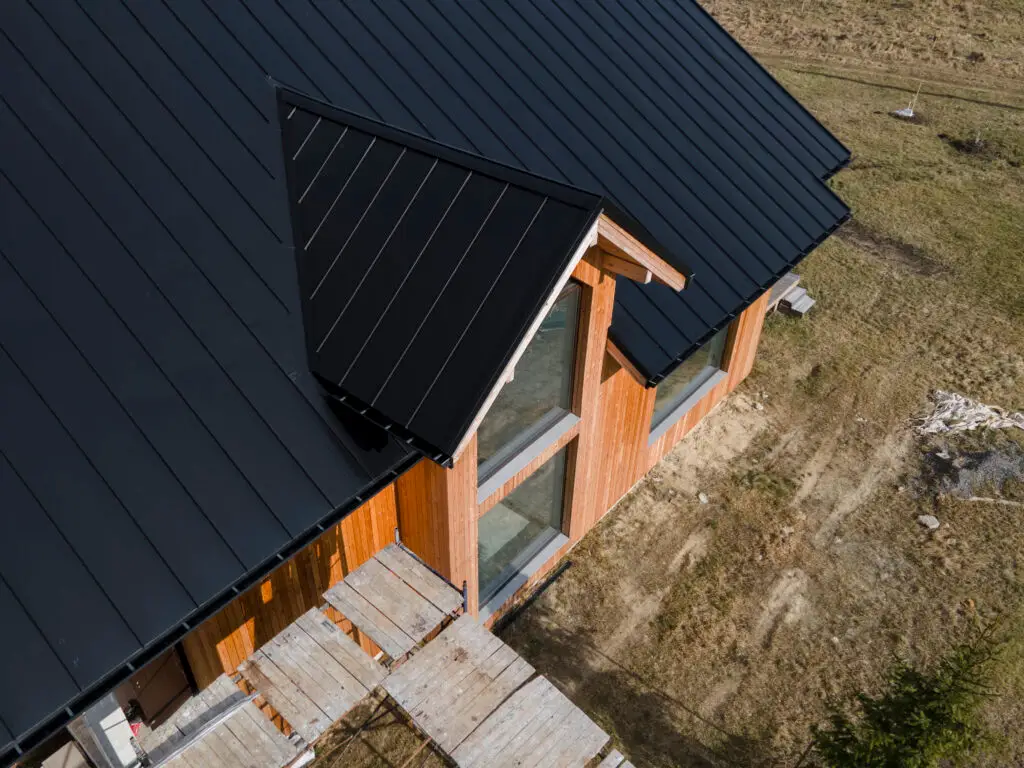
Your shingles aren’t your roof’s real bodyguards. Roofing underlayment is. It’s the layer you never see, but the one that quietly protects your home when shingles crack, storms hit hard, or wind-driven rain sneaks underneath. Without proper underlayment, your roof isn’t fully sealed. It’s just layered.
If you think about it, most homeowners don’t think about underlayment until something goes wrong. A leak. A damp attic. A surprise repair bill. That’s when the question finally comes up: Does my roof need roofing underlayment, and does the type really matter? The answer? Absolutely.
What is Roofing Underlayment?
Roofing underlayment is a protective barrier installed directly on top of your roof deck and underneath your shingles or final roofing material. Think of it as your roof’s backup defense system. If wind-driven rain sneaks past your shingles, underlayment is what stops that moisture from reaching your wood decking.
Without it? Even a small leak can turn into rot, mold, or structural damage.
Why It Exists in the First Place
Shingles are your roof’s first shield. But they aren’t waterproof — they’re water-shedding. That’s a big difference.
Underlayment creates a continuous moisture-resistant layer across the entire roof surface. It:
- Protects against wind-driven rain
- Helps prevent water intrusion from ice dams
- Adds temporary protection during roof installation
- Improves overall system durability
In most building codes today, installing underlayment for roofs is not optional – it’s required.
Where It Sits in the Roofing System
Here’s the simple layering structure of a typical asphalt shingle roof:
- Roof decking (usually plywood or OSB)
- Roofing underlayment
- Flashing and drip edge
- Shingles or roofing material
That middle layer might not be visible when your roof is finished, but it plays a massive role in how long your roof lasts.
Roof Underlayment Types: What Are Your Options?
There are three main categories of roof underlayment used in modern roofing systems: felt, self-adhered, and synthetic. Each one serves the same purpose. They protect your roof deck from moisture, but they perform very differently depending on climate, budget, and roof design.
Understanding the differences in roof underlayment materials helps you make a smarter decision, especially if you’re investing in a long-term roofing system.
1. Felt Underlayment (Traditional Option)
Often called tar paper or asphalt-saturated felt, this is one of the oldest shingle underlayment types still in use today. It’s made from an organic or fiberglass mat saturated with asphalt for water resistance.
Felt typically comes in two weights:
- No. 15 felt (lighter, thinner)
- No. 30 felt (heavier, more durable)
No. 15 is more affordable and commonly used for lighter residential projects. However, it can wrinkle or tear if exposed to moisture during installation. No. 30 is thicker and more damage-resistant, making it a better choice for long-term durability.
Felt is still used under slate and tile in some regions, but it’s gradually being replaced by modern alternatives.
Best for: Budget-conscious projects or traditional roofing systems.
2. Self-Adhered Underlayment (Waterproof Protection)
Self-adhered underlayment contains high levels of asphalt and rubber polymers and features a peel-and-stick backing that bonds directly to the roof deck. This creates a waterproof seal rather than just a water-resistant layer.
It’s commonly installed in vulnerable areas such as:
- Eaves
- Valleys
- Around chimneys
- Around vents and skylights
Because it seals tightly around nails and fasteners, it’s especially valuable in areas prone to heavy rain, ice dams, or severe winter weather.
The top layer often includes granulated or textured surfaces to improve walkability during installation.
Best for: High-risk leak areas and colder climates.
3. Synthetic Underlayment (Modern Performance)
Over the last decade, synthetic products have become the most popular choice among contractors. Most synthetic roof underlayment types are made from woven or spun polypropylene or polyethylene polymers.
Compared to felt, synthetic underlayment is:
- More tear-resistant
- Lighter with more coverage per roll
- More resistant to mold and UV exposure
- Designed with printed overlap guides for easier installation
It repels water effectively and doesn’t absorb moisture like felt can. Many homeowners now consider synthetic to be one of the best underlayment for roofs for durability and performance.
Best for: Long-term performance, durability, and modern roofing systems.
With roofing underlayment markets globally forecast to grow by over 5% annually over the next decade, modern materials such as synthetic underlayments are increasingly favored in new construction and reroofing due to their stronger moisture resistance and durability compared to traditional felt.
Quick Comparison of Roof Underlayment Materials
| Type | Water Resistance | Durability | Weight | Ideal Use |
| Felt | Water-resistant | Moderate | Heavy | Budget projects |
| Self-adhered | Waterproof | High | Medium | Leak-prone areas |
| Synthetic | Water-resistant (high performance) | Very high | Lightweight | Full-roof coverage |
What is the Best Roofing Underlayment for Your Home?
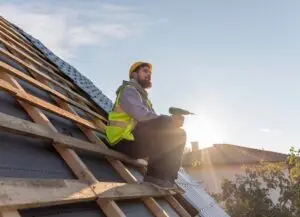
The honest answer is: it depends on your roof, your climate, and your priorities. If you live in an area with heavy rain, snow, or frequent storms, synthetic options are often considered one of the strongest choices. Many modern synthetic roof underlayment types are engineered to resist tearing, repel moisture, and handle UV exposure better than traditional felt. They’re lighter, more durable, and typically last longer during installation.
If your primary concern is water intrusion in vulnerable areas such as valleys, eaves, or around chimneys, self-adhered underlayment may be the better fit. Because it seals around nails and fasteners, it creates an added waterproof barrier where leaks most commonly start.
For budget-conscious projects, asphalt-saturated felt still has a place. It can perform well when installed correctly, especially in milder climates. However, it may not offer the same long-term durability as newer materials.
So when you’re weighing shingle underlayment types, think about this:
- How extreme is your local weather?
- Is your roof steep or low-sloped?
- Are you investing for short-term savings or long-term performance?
The best underlayment for your roof isn’t just the most expensive one. It’s the one that matches your roof system and gives you confidence that what’s underneath your shingles is doing its job, quietly, consistently, and reliably.
How to Choose the Right Roofing Underlayment for Your Home
By now, you know what roofing underlayment is and the main types available. The next question is simple: which one is right for you?
Start with your climate. If you live in an area with heavy rain, snow, or ice, self-adhered underlayment in valleys and eaves adds critical waterproofing. In high-wind zones, synthetic options provide stronger tear resistance. Hot climates benefit from lightweight synthetics that resist heat and moisture.
Next, think about your roof design. Steeper roofs may perform well with synthetic or felt underlayment. Low-slope sections often require additional waterproofing. Complex roofs with chimneys, skylights, or multiple valleys benefit from self-adhered membranes in leak-prone areas.
Material compatibility also matters. Some shingle underlayment types pair better with asphalt shingles, while tile and metal roofing systems may require heavier-duty products. Always confirm that your underlayment meets the manufacturer’s specifications.
Budget plays a role, but it shouldn’t drive the entire decision. Felt costs less upfront, but synthetic options often last longer and perform better under stress. In many cases, paying slightly more today reduces the risk of costly roof repairs later.
Finally, talk to a trusted roofing professional. They understand local code requirements, climate risks, and product performance in real-world conditions. A quick conversation can help you avoid mismatched materials and future headaches.
The Layer That Protects Everything Above It
When most homeowners think about a new roof, they picture shingles and color choices. But the real performance of your roofing system often depends on what’s installed underneath. That’s why roof underlayment deserves more attention than it usually gets.
The best choice isn’t just about cost. It’s about your climate, roof slope, ventilation setup, and how long you expect your roof to last. Remember that when properly installed, underlayment becomes your quiet insurance policy. It protects your roof deck from wind-driven rain, ice dams, and moisture intrusion long before you ever notice a problem inside.
That’s why working with an experienced roofing team matters. A knowledgeable and dedicated team like Power Roofing NYC won’t just focus on shingles. They’ll help you choose the right underlayment to support your entire roofing system. The right guidance upfront can mean fewer repairs, better warranty coverage, and stronger protection for years to come.
Because when the weather turns harsh, it’s not only the shingles doing the work. It’s the complete system beneath your home that keeps it secure.
Contact Power Roofing NYC today.
Frequently Asked Questions
What is roofing underlayment, and why is it important?
Roofing underlayment is the protective layer installed between your roof deck and shingles. It acts as a moisture barrier, helping shield your home from wind-driven rain, ice dams, and water intrusion if shingles are damaged.
What are the main roof underlayment types?
The most common roof underlayment types are felt, synthetic, and self-adhered. Felt is traditional and budget-friendly. Synthetic options are lighter and more tear-resistant. Self-adhered underlayment provides enhanced waterproofing in vulnerable areas such as valleys and eaves.
What are the most common roof underlayment materials?
Common roof underlayment materials include asphalt-saturated felt, polypropylene or polyethylene-based synthetic sheets, and rubberized asphalt membranes. Each material offers different levels of durability and moisture resistance.
What are the synthetic roof underlayment types, and are they better?
Modern synthetic roof underlayment types are made from woven polymers designed for strength and water resistance. They’re typically more durable and tear-resistant than traditional felt, making them a popular choice for long-term performance.
What is the best roofing underlayment for my home?
The answer depends on your roof slope, climate, and building codes. In areas with heavy rain or wind exposure, synthetic or self-adhered products often provide better protection. A professional assessment can help determine the best roofing underlayment for your specific roof system.
Does roofing underlayment need to be replaced during a roof replacement?
Yes. When you invest in a full roof replacement, the underlayment should be replaced as well. Installing new shingles over old underlayment can compromise the entire system.
If you’re planning a full upgrade, learn more about professional roof replacement services here.
Can damaged underlayment be repaired without replacing the whole roof?
In some cases, localized issues can be addressed through professional roof repair services. However, if moisture has spread beneath the surface, a more comprehensive solution may be needed.
How do I know if my underlayment is failing?
Signs can include recurring leaks, attic moisture, mold growth, or visible water damage, even when shingles appear intact. Because the underlayment lies beneath the surface, the safest way to confirm its condition is through a professional roof inspection.
If you want clarity before problems escalate, book a free estimate with Power Roofing NYC today.


