



Flat roof leaks don’t really start as an emergency. You might notice a small puddle after heavy rain or a damp spot that disappears by morning. But if you know how to repair a leaking flat roof early, you can stop minor issues from turning into costly damage.
Flat roofs manage water differently than sloped roofs. Because drainage is slower, moisture has more time to settle. Even small surface flaws can develop into flat-roof leaks when left unaddressed. That is why timing is critical in flat roof repair.
In many cases, flat roof leak repair does not mean full replacement. When you understand where the leak started and what caused it, the right repair method becomes clear. Some fixes are quick and targeted. Others help extend your roof’s lifespan for years.
How Flat Roof Leaks Usually Start
Flat roof leaks usually develop slowly through small weaknesses that are easy to miss. Because water drains more slowly on flat roofs, even minor damage has more time to cause problems.
Common causes include:
- Surface wear and aging of materials
Flat roofing membranes break down over time due to sun exposure. As the surface dries and cracks, water can seep through small openings. - Ponding water
Water that sits on the roof for long periods puts stress on seams and joints. This pressure weakens the membrane and increases the risk of leaks in flat roofs. - Failed seams and joints
Seams connect sections of the roof membrane. When they loosen or separate, water can travel underneath the surface and spread unnoticed. - Damaged flashing and penetrations
Vents, drains, and skylights rely on sealants to stay watertight. When the sealant dries or pulls away, leaks often form around these areas. - Clogged or poorly designed drainage
Blocked drains cause water to collect where it shouldn’t. Over time, this causes membrane damage, necessitating flat roof leak repair. - Previous poor repairs
Quick patches or incompatible materials can fail early. These repairs often mask the underlying issue rather than fixing it.
Knowing how to repair a leaking flat roof starts with understanding these causes. When problems are caught early, flat roof repair stays manageable. When they are ignored, damage often spreads beneath the surface and repair costs rise quickly.
Early Warning Signs of a Leaking Flat Roof
Flat roof leaks rarely appear overnight. In most cases, the warning signs show up slowly and quietly. If you spot them early, flat roof leaks are often easier and less expensive to address.
Inside the building, the first clues usually appear away from the roof itself. Because water travels, the visible damage is often only part of the story.
Inside the building
- Water stains on ceilings or walls
These marks often appear discolored or uneven. They usually signal ongoing moisture exposure. - Peeling paint or bubbling drywall
Trapped moisture weakens finishes and causes surface failure. - Damp insulation or ceiling tiles
This reduces energy efficiency and suggests water intrusion above. - Persistent musty odors
Odors often indicate hidden moisture, even without visible stains.
On the roof surface, the signs are more direct but still easy to miss during quick inspections.
On the roof
- Cracks or splits in the membrane
Small openings allow water to enter during rainfall. - Blisters or surface bubbles
These weaken the roof and often worsen with heat. - Loose edges or lifted seams
Wind and movement can pull materials back over time. - Standing water after rain
Ponding that lasts more than 48 hours increases the risk of leaks.
Closing tip:
If you notice any of these signs, don’t wait. Early action keeps repairs smaller and helps avoid larger flat-roof repairs later.
Tools and Materials You’ll Need Before You Start
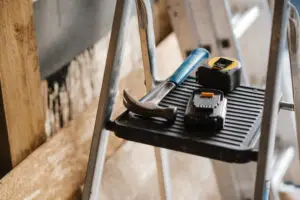
Before you begin to repair a leaking flat roof, make sure all tools and materials are ready. This keeps the repair smooth and helps prevent mistakes. Using the right products also improves the repair’s durability.
What you’ll need:
- Tape measure – Helps locate damage and size repair areas accurately.
- Utility knife – Used to cut damaged roofing and trim patches cleanly.
- Stiff broom or brush – Clears dirt, debris, and loose material from the surface.
- Clean rags or towels – Dries the area before applying repair products.
- Caulking gun – Allows controlled application of sealants and cement.
- Roofing cement or patch compound – Forms a strong base to seal cracks and small holes.
- Fiberglass mesh or membrane patch – Reinforces weak spots and prevents cracks from reopening.
- Primer (if required) – Improves adhesion and helps the repair last longer.
- Flat roof sealant for leaks – Creates a flexible, waterproof layer that moves with the roof.
- Non-slip footwear – Reduces the risk of slipping on smooth roof surfaces.
- Work gloves – Protect your hands from sharp edges and chemicals.
- Fall protection gear – Important when working near roof edges or access points.
Always check product labels to ensure compatibility with your roof type. Using the right materials helps prevent recurring flat-roof repair issues.
Step-by-Step: How to Repair a Leaking Flat Roof
Once your tools and materials are ready, you can move into the repair itself. These steps focus on small to moderate damage. They also help you avoid common mistakes during flat roof leak repair.
Take your time with each step. Rushing often leads to repeated leaks.
Step 1: Locate the source of the leak
Start by tracing visible water stains inside the building. Measure their distance from nearby walls. Then transfer those measurements to the roof surface. Look uphill from the stain. Water often travels before it appears indoors.
Step 2: Clean and dry the repair area
Sweep away dirt, gravel, and loose roofing material. Dry the surface fully using clean towels. Repairs will not bond to damp areas.
Step 3: Cut away damaged material
Use a utility knife to remove cracked, blistered, or loose membrane. Avoid cutting into roofing that is still intact and secure.
Step 4: Apply roofing cement
Spread a thin, even layer of roofing cement over the damaged area. Extend it a few inches beyond the repair zone for better sealing.
Step 5: Reinforce with mesh or patch
Press fiberglass mesh or a membrane patch into the wet cement. Smooth it down to remove air pockets.
Step 6: Seal the repair
Apply another layer of cement or sealant over the patch. Make sure the edges are fully covered and smooth.
Step 7: Allow proper drying time
Follow product instructions for curing. Avoid foot traffic or water exposure during this period.
Helpful tip:
If you’re repairing near drains, vents, or seams, double-check those edges. These areas are common sources of flat roof repair failures.
When DIY Is Okay and When It’s Risky
DIY flat roof repairs can work in certain situations. However, knowing your limits matters just as much as knowing the steps. Making the wrong call can turn a small issue into a costly problem.
When DIY repairs make sense
You can usually handle minor repairs safely if the damage is limited and easy to reach.
- Small cracks or splits in the membrane
- Minor leaks around seams or edges
- Isolated blisters or surface wear
- Short-term fixes after light weather damage
In these cases, the best way to repair a flat roof is to work carefully, use the right materials, and stop if conditions are unsafe.
When DIY won’t work
Some situations require more than a surface fix. Attempting repairs here often causes more harm than good. For commercial property owners in the US, delaying proper repair can be especially costly. Flat roof leaks account for over $12 billion in roofing repairs nationwide each year, underscoring the value of professional guidance when issues recur or spread. You should watch out for:
- Large or recurring leaks
- Soft or sagging roof areas
- Damage near drains, vents, or flashing
- Extensive ponding of water
- Roofs still under warranty
Flat roofs may appear safe, but their edges, weak decking, and hidden moisture pose real hazards. One misstep can lead to injury or voided warranties. If the leak returns after repair or spreads to new areas, it’s a clear sign to stop DIY work. At this stage, professional flat roof repair helps protect your building and prevents repeat damage.
How to Reduce Future Flat Roof Leaks

Once you understand how to repair a leaking flat roof, the next goal is to prevent the problem from recurring. Most repeat leaks happen because small maintenance steps are skipped. The good news is that prevention is usually simple and manageable.
- Schedule regular visual checks
Walk the roof a few times a year, especially after heavy rain. Look for cracks, lifting edges, or surface wear. Catching issues early keeps flat roof repair needs small and predictable. - Keep drains and outlets clear
Blocked drains cause water to pool. Standing water adds stress to seams and membranes. Clearing debris helps water move off the roof faster. - Watch seams and penetrations closely
Areas around vents, skylights, and edges move more than flat surfaces. These spots deserve extra attention during inspections. - Reapply sealant when needed
Sealants wear down over time. Refreshing them before failure helps extend roof performance and reduce the risk of leaks. - Limit foot traffic
Flat roofs are not designed for frequent walking. Restrict access and use walk pads where equipment requires maintenance.
Smart reminder:
Small upkeep tasks take less time than emergency repairs. A short roof inspection today can prevent major disruption later.
Making the Right Call Before Small Repairs Turn Bigger
At some point, every building owner reaches a decision moment. You’ve patched a leak, maybe more than once. Now you need to decide if continued fixes still make sense. This step is about timing, not panic.
Start by looking at repair frequency. If flat roof leak repair keeps coming up in the same areas, the issue may run deeper than the surface. Repeated work often results in moisture being trapped beneath the membrane.
Next, consider how the roof affects daily use. Leaks that disrupt operations, damage interiors, or pose safety risks should not be treated as routine maintenance. In these cases, acting sooner helps protect the building and avoid downtime.
Cost matters as well. Several small fixes may seem manageable at first. Over time, however, repeated repairs can exceed the cost of a more reliable solution.
Finally, assess risk. When leaks worsen during storms or appear suddenly, professional support is critical, especially when emergency roof repair is required. Fast action helps protect the building and prevent further damage.
Finally, weigh risk. DIY or short-term fixes are most effective when damage is limited. Once leaks spread or return quickly, professional input helps prevent larger structural issues.
Fix It Right – Before the Next Storm Decides for You
Knowing how to repair a leaking flat roof gives you control. Acting early keeps repairs manageable, protects your building, and reduces disruption. The real advantage comes from timing. The earlier you respond, the more options you keep on the table.
If you’re unsure whether your roof is still in the DIY stage or already needs professional attention, that uncertainty is your cue. Small leaks have a way of turning urgent at the worst possible moment.
Before the next heavy rain tests your roof again, it may be time to get clarity.
Power Roofing NYC can inspect your flat roof, explain what’s happening, and help you choose the right next step – without pressure or guesswork.
Sometimes, the smartest repair decision is the one you make before water forces your hand.
Frequently Asked Questions
How long does a flat roof repair usually last?
A properly done repair can last several years. Longevity depends on materials, weather exposure, and ongoing maintenance. Regular inspections help extend results.
Can I repair a flat roof myself?
DIY repairs work for small, visible damage. Larger leaks, recurring issues, or soft spots typically require professional assistance to prevent more severe problems.
What causes flat roofs to leak most often?
Common causes include aging membranes, poor drainage, cracked seams, and wear around vents or edges. Water pooling is a major contributor.
Is it safe to walk on a flat roof?
Flat roofs are safer than sloped roofs, but risks still exist. Wet surfaces, weak decking, and roof edges can cause serious injury without proper care.
How soon should I act after noticing a leak?
As soon as possible. Even small leaks can spread moisture below the surface and increase the scope of repairs if left unaddressed.
When should I call a professional roofer?
If leaks keep coming back, spread after rain, or worsen during storms, it’s time to call a professional. These signs often indicate hidden damage that basic repairs won’t resolve, especially when the issue becomes urgent.
For a clear assessment and fast support, you can contact Power Roofing NYC to discuss your situation or book a free estimate before the problem escalates into emergency roof repair.