
You finally schedule your roofing project, the materials are lined up, and the crew is ready to start. Then the forecast suddenly shows rain in the coming hours. At that point, many homeowners start asking the same question: can roofers work in the rain, or will the entire project need to stop until the weather clears?
Weather conditions play a major role in roofing projects. During a new roof installation, sections of the roof are temporarily exposed while old shingles are removed and new materials are installed. If rain falls during this stage, it can increase the risk of roof water damage and complicate proper installation.
Moisture is one of the biggest threats to a home’s structure. The U.S. Environmental Protection Agency explains that when moisture enters building materials and isn’t addressed quickly, it can lead to mold growth and structural deterioration over time.
That’s why experienced roofing contractors take weather planning seriously. Professional crews closely monitor forecasts, use protective coverings, and follow careful installation procedures to minimize risks when it rains during roofing. Homeowners preparing for services like roof installation or scheduling a professional roof inspection often want reassurance that their home will remain protected if weather conditions change unexpectedly.
So, let’s check what really happens when rain interrupts a roofing project, whether a roof can be replaced in the rain, and how professional contractors prevent water damage during roof replacement.
Can Roofers Really Work in the Rain?
In most situations, professional roofers pause major work when rain starts. Roofing materials require dry surfaces to install properly, and working on a wet roof can compromise safety and the quality of the installation.
Safety is one of the biggest reasons crews slow down when the weather turns. Roofing already involves working on steep, elevated surfaces, and rain can make shingles and decking extremely slippery. Even a brief shower increases the risk of falls, which is why reputable contractors won’t push ahead just to stay on schedule.
There’s also the issue of protecting the roof itself. During a roof replacement, the decking underneath your shingles becomes exposed once the old materials are removed. If rain hits that surface before protective layers are in place, moisture can seep into the wood and potentially lead to roof water damage later on.
That said, rain doesn’t always mean the entire job stops. Roofing crews might take the opportunity to prep materials, check measurements, or perform a quick roof inspection while waiting for conditions to improve. Experienced contractors know how to adjust their workflow so the project stays on track without putting your home or the crew at risk.
What Happens If It Rains While Getting a New Roof?
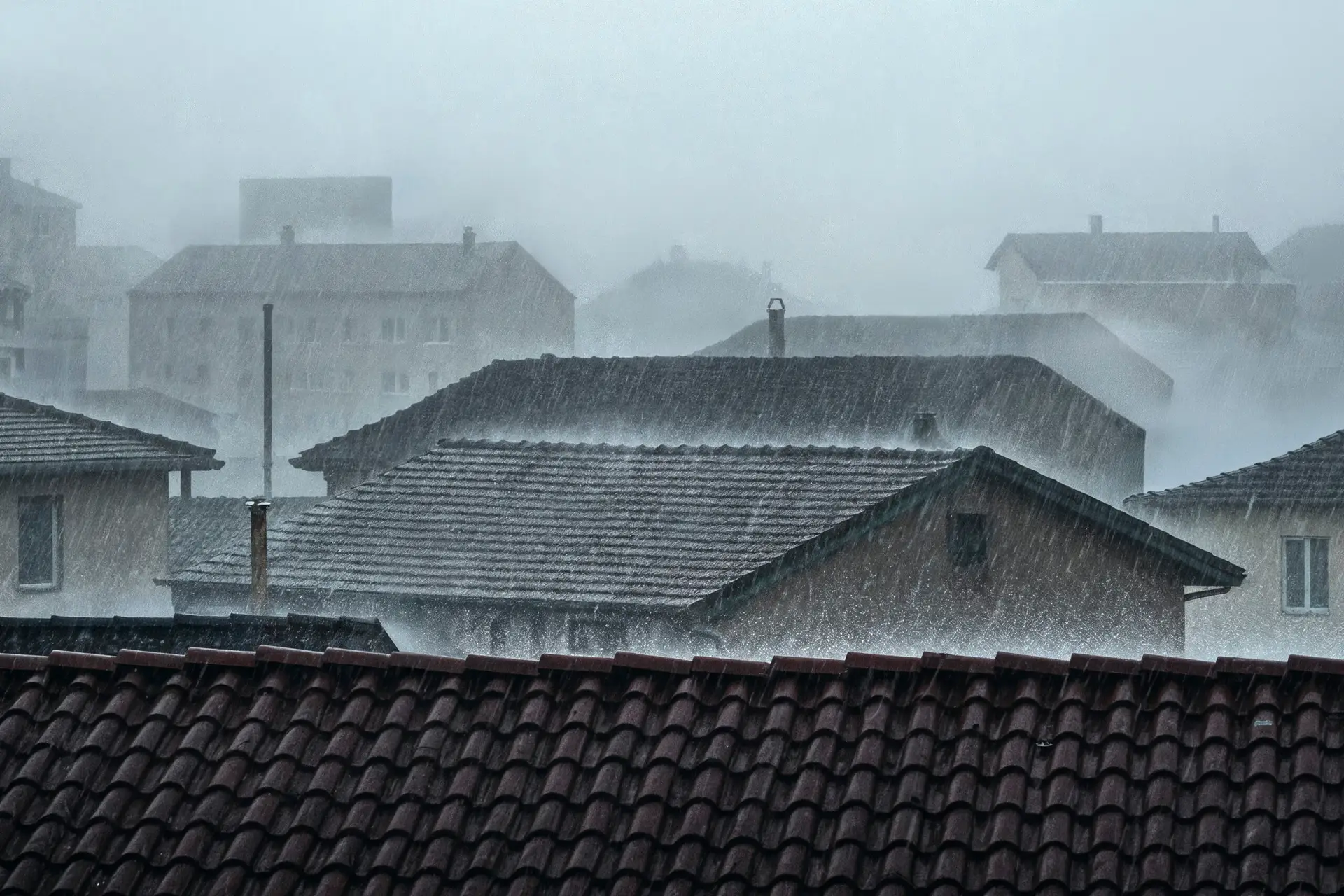
Even with careful planning, the weather can still surprise you. A clear forecast in the morning can turn into an afternoon shower, which is why homeowners often ask what happens if it rains while getting a new roof. The good news is that experienced roofing crews are prepared for this situation and have procedures in place to protect your home.
When rain begins during a roofing project, the first priority is covering any exposed areas of the roof. Contractors typically use large protective tarps to shield the roof deck and prevent water from entering the structure. These coverings act as a temporary barrier until conditions are dry enough for work to safely continue.
Roofers also work in sections whenever possible. Instead of removing the entire roof at once, they replace smaller areas at a time so exposed decking can be quickly protected if rain appears. This approach greatly reduces the chances of water damage during roof replacement.
Another important layer of protection is underlayment. Once installed, this material creates a temporary moisture barrier over the roof deck. It helps protect your home while crews finish the remaining stages of the new roof installation once the weather clears.
Why Rain During Roofing Can Cause Serious Problems
Rain might seem harmless at first, but rain on the roof can cause several problems if the roof is left exposed. When old shingles are removed, the wooden roof deck underneath becomes vulnerable to moisture. If rain reaches this surface, the wood can absorb water and weaken over time.
Moisture trapped in roofing materials can also lead to roof water damage inside the home. Water can seep into insulation, drywall, and attic spaces, sometimes causing mold growth or interior stains. Even a small amount of moisture can create bigger issues if it is not addressed quickly.
Installation quality is another concern. Roofing materials like asphalt shingles rely on dry surfaces to seal correctly. If shingles are installed while the roof deck is damp, they may not adhere properly. This can create gaps in the roofing system that allow water to penetrate later.
That is why professional contractors pay close attention to weather conditions before beginning a new roof installation. By waiting for dry conditions and protecting exposed areas, experienced roofers reduce the risk of long-term problems and help ensure the roof performs as it should.
How Roofers Prevent Water Damage During Roof Replacement
A little rain does not automatically mean disaster for your roofing project. Experienced contractors know that the weather can change quickly, so they follow specific steps to protect your home from water damage during roof replacement. Preparation and smart work sequencing make a big difference in keeping moisture out.
One common strategy is to work in manageable sections rather than removing the entire roof at once. By replacing one area at a time, roofers can quickly cover exposed decking if the weather suddenly changes. This approach limits the amount of the roof that is vulnerable at any given moment.
Protective materials also play an important role. Roofing crews typically install underlayment as soon as possible after removing old shingles. This layer acts as a temporary moisture barrier, helping shield the roof deck until the final roofing materials are installed during the new roof installation.
Contractors also keep tarps and protective coverings on site throughout the project. If rain appears unexpectedly, these materials can be placed over exposed sections within minutes. Combined with proper planning and regular roof inspections throughout the project, these precautions help ensure the roof remains protected until installation is complete.
How Professional Roofers Prepare for Rain Before Starting a Project
Ask any experienced roofer, and they will tell you the same thing. Weather planning is part of the job. Before a project even begins, contractors usually check forecasts, radar updates, and local weather patterns to avoid starting major work when rain is likely.
Timing matters during a new roof installation. Many roofing crews begin early in the morning so they can complete critical steps before afternoon storms develop. If the forecast shows a strong chance of rain, contractors may delay the tear-off stage or reschedule the job entirely. Waiting for the right conditions helps prevent unnecessary risks and keeps the installation process on track.
Professional preparation also means having the right equipment ready. Roofing crews typically keep tarps, underlayment, and protective materials on site to respond quickly if weather conditions change. These simple precautions help reduce the risk of roof water damage if rain unexpectedly occurs during the project.
Homeowners also benefit from this level of planning. When you work with experienced contractors who offer services like roof repair or roof installation, you can expect them to communicate clearly about weather delays and project timelines. It may feel frustrating to pause work for a day, but careful planning is one of the best ways to ensure your roof is installed correctly and built to last.
Planning Roofing Work When Rain Is in the Forecast
So, can roofers work in the rain? In most cases, professional roofers pause major installation steps when rain begins. Wet conditions can affect safety, material performance, and the long-term durability of your roof. That is why experienced contractors plan carefully, monitor the weather, and use protective materials to prevent roof water damage during the process.
For homeowners, the real key is working with professionals who know how to manage unexpected weather. The team at Power Roofing NYC brings the experience and preparation needed to handle roofing projects the right way.
If you are planning a roofing project and want expert guidance, contact Power Roofing NYC and get a free roofing quote today.
Because your roof deserves the right start.
Frequently Asked Questions
Can roofers work in light rain?
Roofers may perform minor tasks in light rain, but major installation work usually pauses. Wet surfaces can affect both safety and installation quality.
What happens if it rains while getting a new roof?
Contractors typically cover exposed areas with tarps or underlayment to prevent moisture from reaching the roof deck and causing water damage during roof replacement.
Will rain delay a new roof installation?
Yes, rain can temporarily delay parts of a new roof installation. Most contractors prefer dry conditions to ensure proper installation.
Can rain cause roof water damage during roof replacement?
If the roof deck is exposed for too long, rain can cause water damage to the roof. Professional roofers prevent this by working in sections and covering exposed areas quickly.
How do roofers protect a roof if rain starts suddenly?
Roofers use tarps, underlayment, and protective coverings to shield exposed sections until the weather clears.
Who should I contact for roofing services in NYC?
For reliable roofing services, contact Power Roofing NYC.