



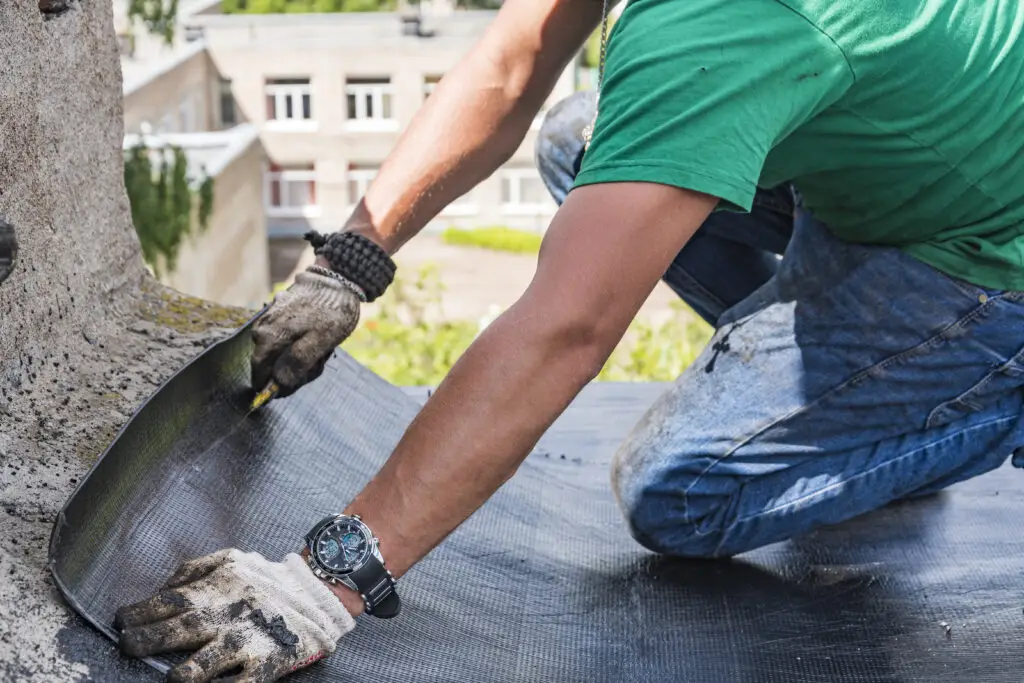
Roll roofing doesn’t usually get the spotlight. It’s not flashy. It doesn’t mimic slate or architectural shingles. But when it comes to affordability and practicality, roll roofing earns its place in the conversation.
If you’re covering a shed, garage, porch, or low-slope roof, this material can be a cost-effective solution that gets the job done without stretching your budget. That’s exactly why it’s still widely used across residential and light commercial properties.
As roofing costs rise nationwide, many property owners are exploring alternative materials that balance price and performance. Asphalt-based roofing systems remain one of the most commonly used materials in the U.S., and rolled asphalt roofing is part of that broader category. For the right structure, it offers simplicity and efficiency that traditional shingles sometimes don’t.
Here’s where it gets practical. Roll roofing isn’t meant for every home or every roof pitch. It has specific applications, advantages, and limitations. And understanding those details before installation can save you time, money, and frustration.
So what exactly is roll roofing? How much does it cost in 2026? And when does it make sense over traditional shingles? Let’s answer all these questions and more.
What Is Roll Roofing?
Let’s start with the basics.
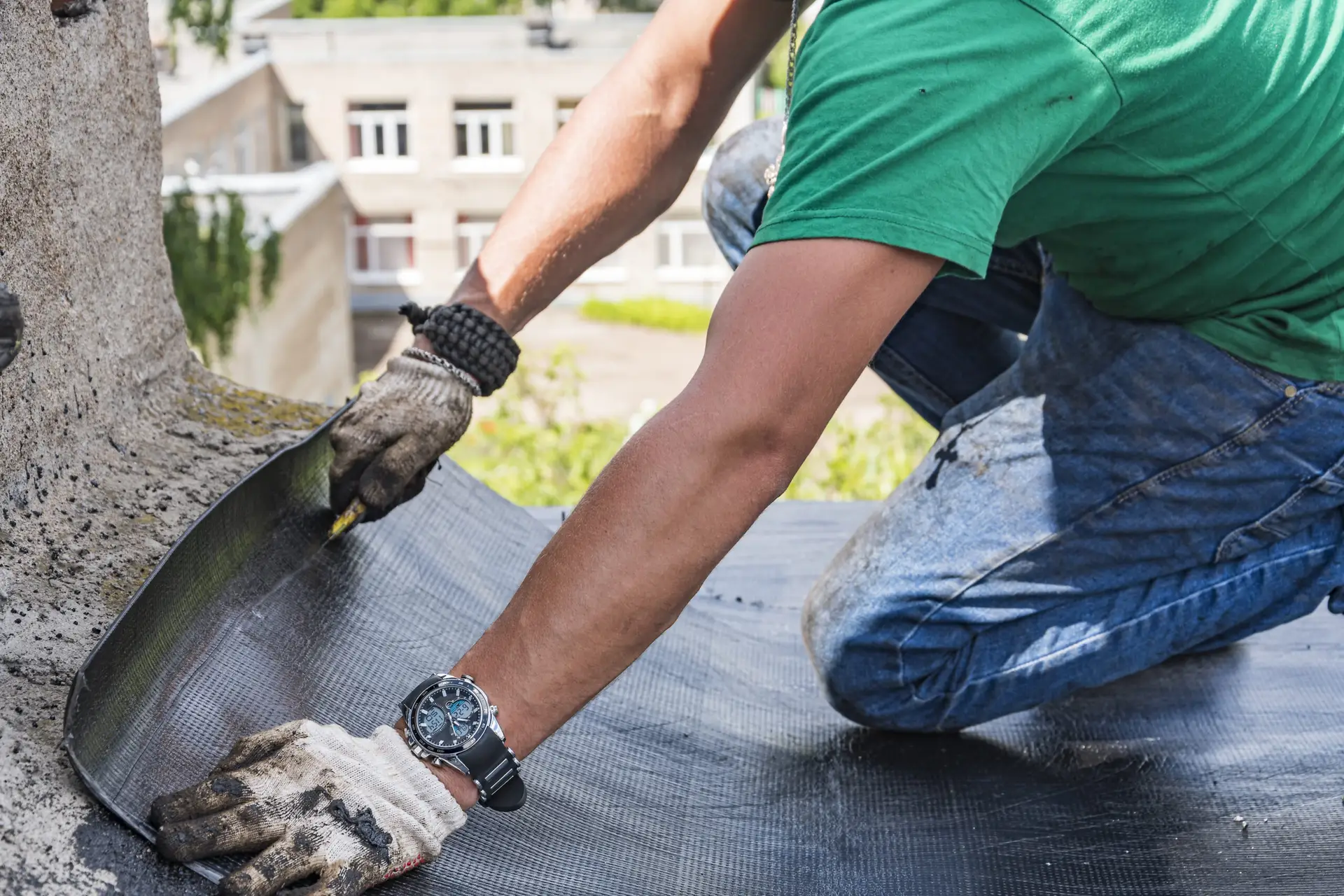
Rolled roofing is a roofing material sold in large rolls instead of individual shingles. It’s typically made from asphalt-based material similar to standard shingles, but instead of being installed piece by piece, it’s laid down in wide strips across the roof surface. Think of it as a simplified version of traditional asphalt roofing.
Most rolled roofing material comes in 36-inch-wide rolls and is designed specifically for low-slope roofs. It’s commonly called rolled asphalt roofing and is often used on structures where appearance isn’t the primary concern.
Unlike architectural shingles that create layered depth and texture, rolled roofing has a flatter, more uniform look. It’s fast to install, requires fewer seams, and covers large areas quickly.
You’ll usually see it used on:
- Sheds
- Garages
- Workshops
- Porches
- Small additions
- Utility structures
Here’s the important part: while it’s practical, it’s not designed for steep-slope residential roofs where long-term durability and curb appeal are priorities.
Types of Rolled Roofing Materials
While rolled roofings may look simple at first glance, there are several variations designed for different applications and performance needs.
Let’s break down the most common types.
Smooth-Surfaced Roll Roofing
This version has a smooth asphalt surface and is typically used as an underlayment or base sheet. It’s not designed to be the final exposed layer on most residential structures. Because it lacks mineral granules, it’s less resistant to UV exposure. It’s often used beneath other roofing systems for added waterproofing.
Mineral-Surfaced Roll Roofing
This is the most common type for exposed applications. It includes a top layer of mineral granules, similar to asphalt shingles. These granules help protect the asphalt from sun damage and improve durability. If someone refers to rolled asphalt roofing for sheds or garages, they usually mean this.
Rubber Membrane Rolls
Some low-slope roofs use rubber-based membranes instead of traditional asphalt. These are more flexible and often last longer, but typically cost more than standard roll shingle roofing.
Rolled Comp Roof
A rolled comp roof is a composition-based asphalt roll roofing product. It’s similar in material makeup to shingles but installed in long strips rather than overlapping tabs.
Each option has a purpose. The key is matching the material to your roof’s slope, exposure, and budget expectations.
Where Is It Typically Used?

Now let’s talk about real-world applications.
Roll roofing isn’t designed for high-end architectural homes. You’ll most often see them installed on low-slope or nearly flat roofs. That’s because roof rolls are specifically designed to handle minimal pitch. Traditional shingles require steeper slopes to shed water properly, but rolled roofing performs better on shallow slopes.
Common applications include:
- Detached garages
- Garden sheds
- Workshops
- Covered patios
- Porch roofs
- Small additions
- Temporary structures
Because roll roofing installation involves laying large strips instead of individual shingles, it covers wide areas quickly. That makes it ideal for secondary structures where speed and budget are priorities.
It’s also frequently used for repairs or short-term roofing solutions. If a structure doesn’t require a 20–30 year lifespan, a rolled comp roof can offer a practical middle ground between tar paper and full shingle replacement. That said, it’s not ideal for steep-slope homes or properties where curb appeal plays a major role.
How Much Does Rolled Roofing Cost in 2026?
One of the biggest advantages of rolled roofing is affordability. Compared to architectural shingles or metal roofing, it’s significantly less expensive in both materials and labor.
In 2026, average pricing typically falls within these ranges:
| Item | Average Cost (Per Sq. Ft.) |
| Materials | $1.50 – $3.00 |
| Labor | $1.50 – $3.50 |
| Total Installed | $3.00 – $6.50 |
Material pricing depends on the type of roll roofing material you choose. Mineral-surfaced options cost slightly more than smooth-surfaced options due to their added durability and UV protection.
Labor costs vary based on roof accessibility, slope, and tear-off requirements. Low-slope surfaces are generally faster to install, making rolled roofing more affordable than traditional shingle systems.
In higher-cost markets like New York City, pricing may trend toward the upper end of the range due to labor rates and permit requirements. However, even at the higher end, rolled asphalt roofing remains one of the most budget-friendly roofing solutions available.
Additionally, asphalt-based roofing products continue to dominate the U.S. market. According to The Business Research Company’s 2026 Asphalt Shingles Market Report, the asphalt shingles sector reached approximately $7.45 billion in 2025 and is projected to grow to $9.25 billion by 2030, underscoring the sustained demand for asphalt-based roofing systems nationwide.
Pros and Cons
Every roofing material has trade-offs, and roll roofing is no different. Let’s look at both sides.
Pros
- Affordable upfront cost
One of the lowest-cost roofing materials available. Ideal for budget-conscious projects. - Quick installation
Because roof rolls are installed in wide strips, rolled roofing installation is faster than laying individual shingles. - Lightweight material
Rolled roofing material doesn’t add significant structural weight, which is helpful for sheds and older structures. - Effective for low-slope roofs
It performs well on flat or shallow-pitch roofs where traditional shingles may struggle. - Simple repairs
Small damaged sections can often be patched without replacing large portions of the roof.
Cons
- Shorter lifespan
Typically lasts 5–15 years, depending on climate and maintenance, much less than architectural shingles. - Limited aesthetic appeal
It has a flat, uniform look that doesn’t enhance curb appeal. - More vulnerable to extreme weather
High winds and heavy temperature swings can shorten lifespan. - Not ideal for steep roofs
Designed for low slopes only.
Because roll roofing is thinner than architectural shingles, it can be more susceptible to wind lift in severe weather. After major storms, have the roof evaluated for storm and wind damage to ensure that small vulnerabilities don’t turn into larger structural issues.
Roll Roofing Installation: What to Expect
If you’re considering this material, understanding the installation process helps set realistic expectations.
- Surface Preparation
Before installation begins, a professional roof inspection helps confirm that the decking is structurally sound and suitable for roll roofing. The surface must be clean, dry, and free of compromised wood before any material is applied. Because rolled roofing material lies flat, imperfections underneath can show through and affect performance. - Underlayment Installation
While some systems allow direct application over the deck, many professionals recommend installing a base sheet or underlayment first. This creates an added moisture barrier beneath the rolled asphalt roofing. - Laying the Roof Rolls
The roof rolls are installed horizontally, starting from the lowest edge and working upward. Each strip overlaps the previous layer to prevent water intrusion. Proper overlap spacing is essential for long-term durability. - Fastening and Sealing
Depending on the product, installers may use roofing nails, adhesive, or torch-applied methods. Seams are sealed carefully to prevent lifting, especially in areas exposed to strong winds. - Drainage Planning and Final Inspection
On low-slope roofs, proper drainage is critical to prevent pooling. In climates like New York, professional evaluation ensures the system meets local weather demands. Experienced contractors like Power Roofing NYC understand local codes and installation standards, helping support long-term performance.
When installed correctly, a rolled comp roof typically lasts between 5 and 15 years, depending on exposure and maintenance. Over time, small issues such as seam separation or minor leaks can develop, especially on low-slope roofs. Addressing these concerns early through professional roof repair service helps prevent moisture intrusion and preserves the system’s overall integrity.
Is It Right for Your Property?
So after everything we’ve covered, the cost, materials, and lifespan. So, how do you know if roll roofing is actually the right choice? Start with purpose.
If you’re roofing a shed, detached garage, porch, or small addition, rolled roofing material can be a practical and budget-friendly solution. Meanwhile, if you’re working with a tight budget or need a short- to mid-term roofing option, a rolled comp roof can make sense. It provides reliable waterproofing without the higher cost of architectural shingles or metal systems.
If you’re unsure which direction makes the most sense for your property, a professional evaluation from Power Roofing NYC can help you weigh short-term savings against long-term value. Our dedicated team at Power Roofing NYC can assess your structure, slope, and long-term goals before installation.
Don’t leave it to guesswork. Contact Power Roofing NYC today for a free estimate and make your decision with confidence.
Frequently Asked Questions
What is roll roofing used for?
Roll roofing is commonly used on low-slope roofs such as sheds, garages, and porches. It’s affordable, quick to install, and ideal for functional structures.
How long does roll roofing last?
Most rolled roofing systems last 5 to 15 years, depending on the material quality and weather exposure. Regular inspections can help extend its lifespan.
Is rolled asphalt roofing waterproof?
Yes, when properly installed, rolled asphalt roofing creates a water-resistant barrier. Proper seam sealing and drainage are essential for performance.
Can roll roofing be installed over shingles?
In some cases, yes, if the existing surface is smooth and structurally sound. A professional inspection is recommended before proceeding.
How much does roll roofing installation cost?
Roll roofing installation typically ranges from $3.00 to $6.50 per square foot. Final pricing depends on materials, labor rates, and roof condition.
Should I hire a professional to install roll roofing in NYC?
Professional roof installation ensures proper overlap, fastening, and drainage.
If you want clarity on pricing and performance, get a free estimate from Power Roofing NYC today.