

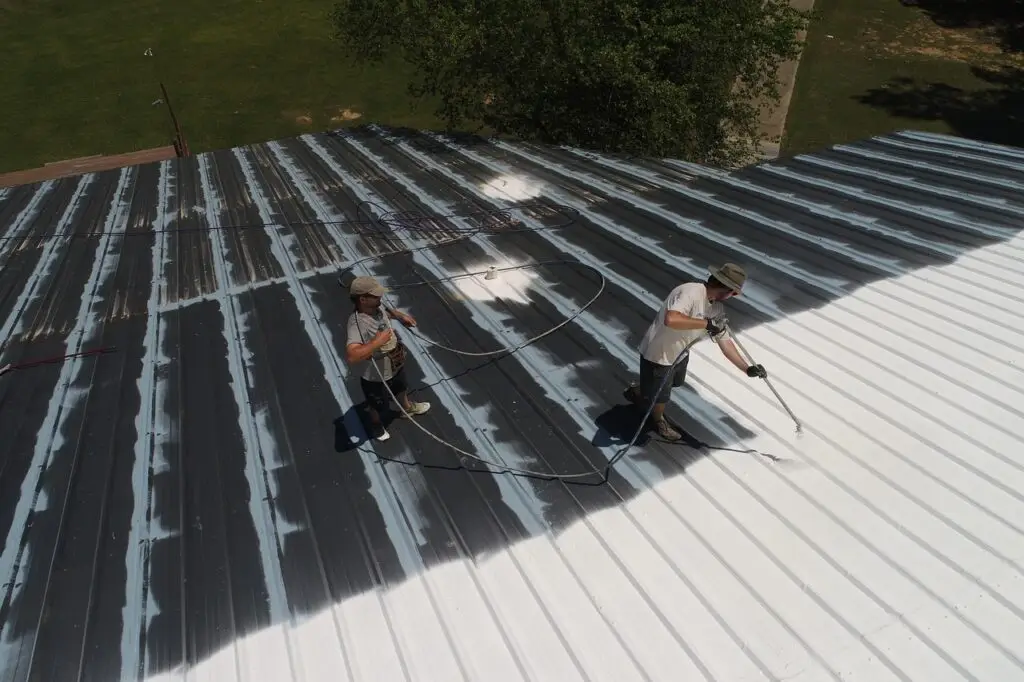
Replacing a roof can cost up to $10,000. That’s why more property owners are looking at restoration instead of replacement and asking what roof coating cost actually looks like before making a decision.
Roof coatings aren’t cosmetic upgrades. They’re protective systems designed to extend the life of an existing roof, improve performance, and delay capital replacement. But pricing isn’t universal. The roof coating price for a small residential metal roof will differ significantly from the cost for a large commercial coating on a flat industrial building.
Across the U.S., demand for roof restoration is projected to reach USD 33.29 billion in 2026, as material prices rise and businesses prioritize lifecycle cost management. Instead of full tear-offs, many property owners are investing in acrylic, polyurethane, silicone, or spray systems to extend service life by an additional year.
So how much should you realistically budget in 2026?
The answer depends on surface condition, coating type, scope of labor, and the level of preparation required before application begins.
What Determines Roof Coating Cost?
Roof coating cost isn’t based on a flat national rate. It’s built from several moving parts that affect labor, material usage, and preparation time.
Here’s what really shapes the final number.
1. Roof Size
Most contractors calculate the roof coating price per square foot. The larger the surface area, the more material and labor required. Even a few hundred extra square feet can significantly affect the total. Larger commercial properties may benefit from material efficiency at scale, but total project cost will still rise with size.
2. Roof Condition
Condition matters more than many property owners expect. If the roof is clean, dry, and structurally sound, coating is straightforward. But if there are cracks, open seams, ponding water, or minor leaks, preparation work increases. Repairs must be completed before coating is applied. That prep time directly affects coating cost.
3. Type of Coating Used
Different materials carry different price points.
- Acrylic roof coating cost is typically on the lower end.
- Polyurethane roof coating cost tends to be higher due to its durability.
- The cost of a silver-coated roof often falls in the mid-range for metal surfaces.
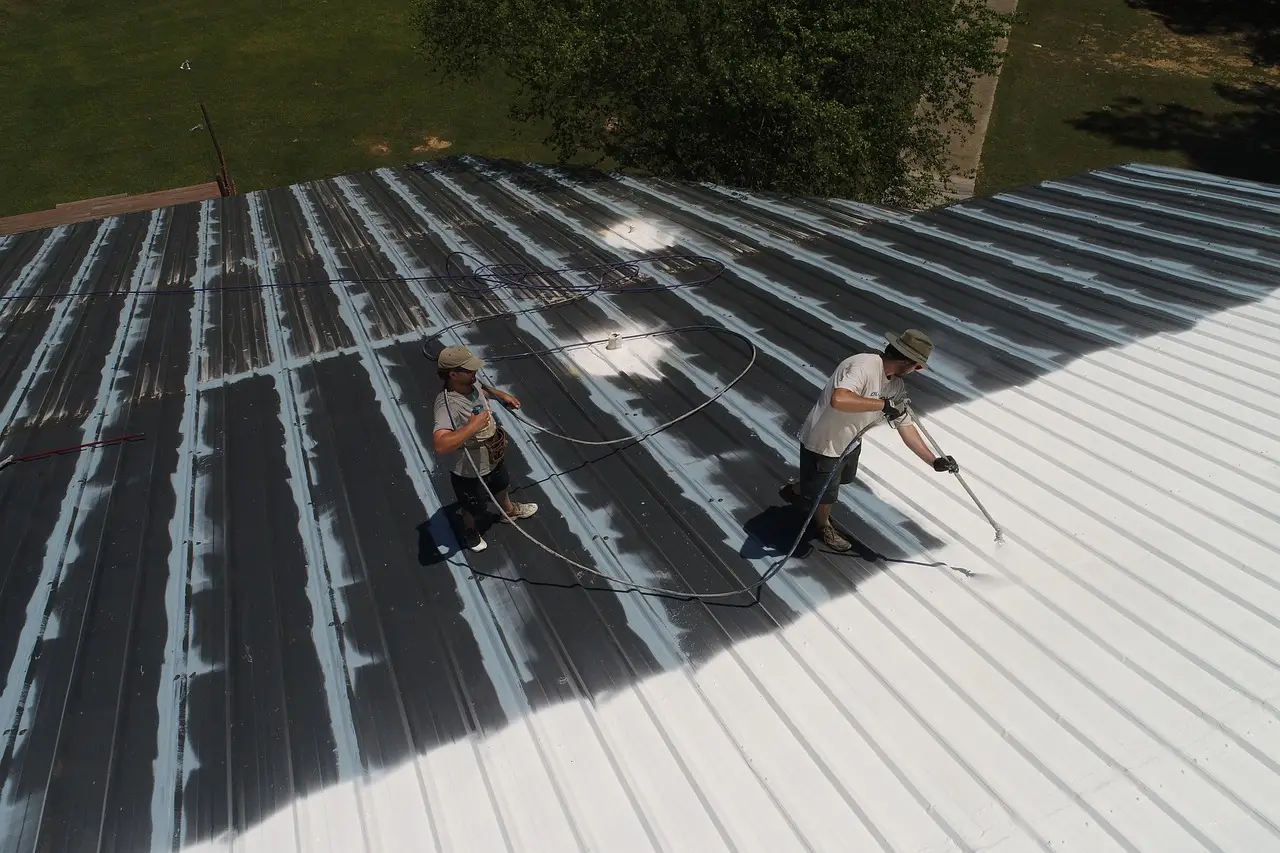
- Spray roof coating cost varies based on equipment and application method.
Material choice alone can shift pricing by several dollars per square foot.
4. Application Complexity
Access challenges, steep slopes, HVAC units, drains, skylights, and safety requirements all influence labor time.
For commercial roof coating cost, coordination with business operations can also increase scheduling and crew demands.
Understanding these factors helps you evaluate quotes properly and prevents surprises once work begins.
Roof Coating Cost Per Square Foot (National Averages)
When most contractors calculate roof coating cost, they price it per square foot. That makes sense because material use, labor time, and preparation all scale with surface area.
Nationally, homeowners typically spend between $1.00 and $6.00 per square foot installed, depending on roof condition, coating type, and whether the project is residential or commercial. Basic acrylic systems sit at the lower end of that range, while reinforced or commercial-grade systems push pricing higher.
Here’s how those numbers usually break down.
| Project Type | Typical Cost Per Sq Ft | What This Includes |
| Basic residential coating | $1.00 – $3.50 | Cleaning + minor prep + acrylic or silicone coating |
| Metal roof coating cost | $1.20 – $4.50 | Rust treatment + primer + reflective coating |
| Commercial roof coating cost | $2.00 – $6.00 | Multi-layer system + seam reinforcement + detailing |
| Spray roof coating cost | $1.50 – $5.00 | Equipment setup + spray application + surface prep |
These figures reflect the average roof coating price ranges reported in U.S. cost guides for 2025–2026. Your final coating cost will vary based on prep requirements and material selection.
For example, a clean, well-maintained 1,500-square-foot roof using an acrylic coating cost system might land between $1,500 and $4,000. The same-sized roof requiring repairs and a polyurethane coating setup could cost more than $6,000.
That’s why square-foot pricing is a starting point, not a final number. The real variable isn’t just size, it’s how much work your roof needs before coating ever begins.
Roof Coating Cost by Material Type
Not all coatings perform the same, and they definitely don’t cost the same. The material you choose directly affects durability, waterproofing performance, maintenance cycle, and total roof-coating cost.
Here’s a clear side-by-side breakdown.
| Coating Type | Installed Cost Per Sq Ft | Best For | Performance Notes |
| Acrylic roof coating cost | $1.00 – $3.50 | Residential & mild climates | Affordable, reflective, may need recoat sooner |
| Silicone coating | $1.50 – $4.00 | Flat roofs with ponding water | Strong waterproofing, handles standing water well |
| Polyurethane roof coating cost | $1.75 – $5.50 | High-traffic roofs | Very durable, impact-resistant |
| Silver coating roof cost (Aluminum) | $0.95 – $2.50 | Metal roofs | Reflective, helps reduce surface corrosion |
| Spray roof coating cost (varies by system) | $1.50 – $5.00 | Large surfaces | Fast application, even coverage |
Now let’s make this practical.
Acrylic Roof Coating Cost
Acrylic systems are one of the most common choices because they’re cost-effective and reflective. They help reduce heat absorption and are widely used on residential properties.
However, in areas with heavy rainfall or standing water, acrylic may require more frequent maintenance.
Polyurethane Roof Coating Cost
Polyurethane coatings are stronger and more impact-resistant. If your roof experiences regular foot traffic, mechanical servicing, or exposure to debris, this option offers added durability.
That added performance is why the polyurethane coating cost usually lands at the higher end of the range.
Silver Coating Roof Cost
Often used for metal roof coating cost projects, aluminum (silver) coatings reflect UV rays and help slow oxidation. They’re commonly applied to aging metal roofs to extend service life without full replacement.
Spray Roof Coating Cost
Spray systems can use various materials (silicone, polyurethane, etc.). Pricing varies depending on equipment setup and surface complexity. Larger commercial properties often benefit from spray application efficiency.
Choosing the cheapest coating doesn’t always mean lower long-term cost. The right material should match your roof type, climate exposure, and expected lifespan.
How Roof Type Impacts The Cost
Your roof’s design plays a significant role in coating costs. Two roofs with identical square footage can have very different pricing simply because of structure, material, and layout.
Here’s how that works.
Flat & Low-Slope Roofs
Flat roofs are the most common candidates for coating. The surface is easier to access, and the application tends to be more uniform.
As a result, pricing typically remains within the standard range discussed earlier. However, if there’s ponding water, seam separation, or aging membrane sections, prep work increases, which raises the total roof coating price.
Flat roofs benefit the most from silicone or polyurethane systems when water drainage is an issue.
Metal Roofs
When calculating the price of metal roof coating, preparation is everything. Rust removal, fastener sealing, and priming are often required before coating begins.
Metal roofs may appear simple, but labor time can increase significantly depending on the level of corrosion and the condition of the panels. Silver or aluminum coatings are commonly used here to reflect UV rays and slow oxidation.
Pitched & Sloped Roofs
Sloped roofs increase labor complexity. Crews must work more slowly, use safety harness systems, and carefully detail around edges and penetrations.
This often pushes spray roof coating cost or brush-applied systems toward the higher end of the range due to added labor time.
Large Commercial Roof Systems
For large buildings, commercial roof coating costs depend on more than size alone. HVAC units, vents, drains, skylights, and scheduling around business hours all influence labor and material planning.
The advantage? Larger surfaces sometimes allow for more efficient material use, helping balance per-square-foot pricing.
Remember, roof shape isn’t just a design feature. It directly influences preparation time, safety setup, material selection, and long-term durability.
What’s Included in a Roof Coating Estimate?
When reviewing coating costs, it’s important to understand what you’re actually paying for. A professional estimate should reflect more than just the coating material itself.
Here’s what a complete quote typically includes.
1. Roof Inspection & Evaluation
Before any coating is applied, the roof must be assessed for structural integrity, moisture intrusion, and surface condition.
A proper roof inspection helps determine whether coating is appropriate or if repairs are needed first. If underlying damage exists, addressing it early prevents coating failure later.
If your roof is already showing signs of wear, minor roof repair may be recommended before coating begins.
2. Surface Preparation
Preparation is one of the most critical parts of any roof coating project.
This usually includes:
- Pressure washing
- Debris removal
- Seam sealing
- Flashing reinforcement
- Rust treatment (for metal roofs)
For properties with aging panels, especially when evaluating metal roof coating cost, priming and corrosion treatment may be necessary before applying reflective layers.
Skipping preparation lowers upfront cost but increases long-term risk.
3. Repairs Before Coating
Coating is not a substitute for structural correction.
If soft spots, cracked seams, or membrane separation are found, professional roof repair must be completed first. In some cases, if damage is extensive, a full roof replacement may be more cost-effective than repeated coatings.
A reputable contractor will tell you which option makes the most financial sense.
4. Coating Application
Application method depends on the roof type:
- Brush or roller for smaller areas
- Spray systems for large surfaces
- Reinforced fabric layers for high-stress zones
Flat systems, especially those under flat roofing structures, often require additional seam detailing before coating can be applied evenly.
5. Warranty & Final Inspection
A professional project includes curing time, final walkthrough, and warranty documentation.
That’s why working with an experienced contractor matters. A proper estimate reflects the full scope, not just material cost.
Is Roof Coating the Right Move for Your Roof?

Not every roof is a good candidate for coating. And understanding that upfront can save you thousands. A smart decision about roof coating cost starts with one question: Is your roof structurally sound?
When Roof Coating Makes Financial Sense
Roof coating works best when:
- The roof membrane is intact
- There are no widespread leaks
- Insulation is dry
- Damage is minor and localized
- The roof is aging but not failing
In these cases, coating can extend the roof’s service life by 10–20 years at a fraction of the cost of a full roof replacement. For example, flat systems under flat roofing structures often benefit most. A reflective coating reduces heat absorption while sealing small surface imperfections.
Metal systems also respond well when corrosion is treated early, which is why many property owners explore metal roof coating cost before committing to replacement. If the structure is solid, the coating is preventative maintenance, not a patch job.
When Coating Is the Wrong Investment
There are situations where coating simply delays the inevitable.
You may want to reconsider if:
- The roof deck feels soft or spongy
- Moisture has penetrated the insulation
- Large sections are separating
- Multiple past coatings are peeling
- Leaks continue after repeated repairs
In these cases, adding a coating traps the problem beneath.
A professional roof inspection will reveal whether you’re protecting your roof or covering up structural decline.
Sometimes, minor roof repair is enough before coating. Other times, the more cost-effective long-term solution may be replacement.
Putting It Altogether
All in all, roof coating cost isn’t just a number pulled from a chart. It’s influenced by roof size, condition, material type, preparation work, and the coating system you choose.
The right coating can extend your roof’s life by years. It can improve energy efficiency. It can delay the need for a full roof replacement. But only when it’s applied at the right time and on the right structure. If your roof is structurally sound, coating is often a smart maintenance investment.
At Power Roofing NYC, coating isn’t treated as a quick surface fix. It’s evaluated as part of your roof’s entire performance system, and the goal is always long-term protection, not temporary coverage.
If you want a clear answer about your own roof, the best next step is simple:
Schedule a professional roof inspection and get a detailed evaluation before making a decision.
Book a roof inspection or request a consultation with Power Roofing NYC today.
Frequently Asked Questions
What is the average roof coating cost per square foot?
The average roof coating cost ranges from $1.00 to $4.50 per square foot, depending on the material, preparation work, and roof condition. Premium systems, such as polyurethane, can exceed this range, especially on commercial properties.
How does commercial roof coating cost differ from residential?
Commercial roof coating cost is often higher due to larger surface areas, equipment requirements, safety regulations, and scheduling coordination. However, large-scale projects may benefit from material efficiency, balancing overall cost per square foot.
Is the cost of metal roof coating higher than that of flat roof coating?
It can be. Metal roof coating cost may increase if rust removal, fastener sealing, or priming is required. Flat roofs often require seam reinforcement, but it may be easier to apply depending on access and condition.
What affects polyurethane roof coating cost?
Polyurethane roof coating costs are typically higher due to its durability and impact resistance. It performs well in high-traffic areas and environments exposed to heavy wear, making it popular for commercial buildings.
Is acrylic roof coating cheaper than silicone or polyurethane?
Yes. Acrylic roof coating costs are usually lower up front. However, it may require reapplication sooner in areas with heavy rainfall or standing water compared to silicone systems.
How much does spray roof coating cost?
Spray roof coating cost varies based on setup, surface preparation, and roof complexity. Spray systems provide even coverage but require equipment, masking, and safety measures that influence pricing.
How long does a roof coating last?
Most coatings last 10 to 20 years, depending on the material, climate exposure, and maintenance. Regular roof inspections help extend the service life of the roof.
When should I consider roof coating instead of replacement?
If your roof structure is still sound and damage is minimal, coating can extend its lifespan affordably. If structural deterioration is present, replacement may be more cost-effective in the long term.
If you’re unsure whether your roof qualifies for coating or needs additional attention, you can always book a roof inspection with Power Roofing NYC before making a decision.