

You don’t usually plan for roof leak repairs. One day, your ceiling looks fine. Then you notice a faint stain, a drip after heavy rain, or a damp smell that won’t go away. It’s easy to ignore at first, but that’s where problems grow.
Here’s the truth: roof leaks rarely start as a big, obvious failure. They begin small, spread quietly, and damage more than you expect. Water moves fast once it gets in. It soaks insulation, weakens wood, and creeps into areas you can’t see yet.
That’s when you know a roof leak repair is needed now, not after the next storm makes it worse.
How a Leak in the Roof Usually Starts
A roof leak rarely appears out of nowhere. Most begin with small weaknesses that build up over time. The trouble is, water doesn’t need much space to get inside. Once it finds a path, it continues to use it.
Here’s what commonly triggers it:
Aging roofing materials
Shingles, membranes, and sealants break down with sun exposure. As they dry out, tiny cracks form and let moisture pass through.
Damaged flashing
Flashing seals areas around chimneys, vents, and edges. When it loosens or corrodes, water slips in easily.
Clogged drainage
Leaves and debris block gutters and drains. Water backs up and looks for the weakest spot to escape.
Storm impact
Heavy rain, wind, or debris can lift materials just enough to create an entry point.
Poor past repairs
Quick patches often hide damage rather than fix it. Over time, those areas fail again.
Here’s the thing: water doesn’t stay where it enters. It travels. That’s why the visible damage inside your home often appears far from the actual source.
Early Signs That Leaking Roof Repair Can’t Wait
You don’t always see water dripping from the ceiling. In fact, most homeowners miss the early clues. That’s why leaking roof repair often starts later than it should.
Watch for these warning signs inside your home:
- Water stains on ceilings or walls
- Brown or yellow marks usually indicate that moisture has been present for a while.
- Peeling paint or bubbling drywall
- Trapped moisture pushes paint outward and weakens surfaces.
- Musty smells
- Odors often point to hidden moisture, even when damage isn’t visible.
- Dripping after heavy rain
If leaks appear only during storms, the roof is already compromised.
Now check outside, if it’s safe to do so:
- Missing or lifted materials
- Shingles or membrane edges that no longer sit flat allow water entry.
- Cracks or blisters on the roof surface
- These spots degrade faster in heat and rain.
- Overflowing gutters
- Backed-up water often seeps under roofing layers.
Once these signs show up, the damage is no longer minor. Moisture spreads fast, and delays only make repairs more complex.
What Causes a Leak in Roof Systems to Begin With
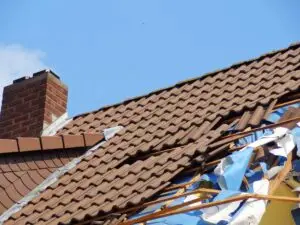
Most homeowners assume a leak in the roof structure is caused by sudden damage. The truth is, leaks usually develop slowly. Small weaknesses build up over time until water finally finds a path inside.
Common causes include:
- Aging roofing materials
- Roofing materials degrade due to sun exposure and temperature fluctuations. As they weaken, water resistance drops.
- Damaged flashing
- Flashing seals areas around chimneys, vents, and skylights. When it loosens or cracks, water slips through easily.
- Clogged or failing gutters
- When water can’t drain properly, it backs up onto the roof and seeps under materials.
- Storm and wind damage
- High winds lift roofing edges. Heavy rain then pushes water underneath.
- Poor past repairs
Temporary patches often hide problems rather than fix them. Over time, leaks worsen.
Here’s the key takeaway:
A roof rarely fails all at once. It weakens in stages. Once water finds an opening, it continues to use it.
That’s why identifying the root cause is essential before choosing any repair approach.
Temporary Fixes vs. Real Roof Leak Repairs

When water starts coming in, your first instinct is to stop it fast. That’s normal. Buckets, sealants, roof cement, and even duct tape end up in the mix. These quick actions can slow the damage, but they are not a true roof-leaking solution.
Temporary fixes work on the surface. Real repairs fix the source.
What temporary fixes actually do
Temporary fixes are meant to buy time. They can help during active rain or when immediate repair is not possible.
Common temporary actions include:
- Applying roof sealant over a visible crack
- Using tar or patch kits on shingles
- Placing plastic or a tarp over a problem area
- Clearing debris to help water drain
These steps may stop dripping for now. However, they rarely address what’s happening underneath.
Why do leaks come back after “quick fixes”
Water almost never enters straight down. It travels under shingles, along flashing, and across decking before it shows up inside. That means sealing the visible spot often misses the real entry point.
This is why leaks return after rain, wind, or temperature changes. The underlying issue remains active. In fact, water damage, along with freezing, accounts for about 27.6% of all homeowners’ insurance claims, underscoring how much moisture issues, including leaks from roofs, can impact property owners nationwide.
When temporary fixes cause bigger problems
In some cases, temporary fixes make future repairs harder.
Examples include:
- Trapped moisture under sealant
- Improper materials damaging roofing layers
- Hidden rot spreading beneath patches
By the time the leak reappears, the repair scope is often larger than it was at the start.
Temporary fixes control symptoms, but proper roof leak repairs solve the cause. If water keeps returning, spreading, or appearing in new spots, that’s your signal that surface-level solutions are no longer enough.
What a Professional Roof Leak Repair Service Actually Does
Once leaks stop responding to patches, it’s time to think differently. A professional roof leak repair service doesn’t just fix what you see. It tracks how water moves, where it enters, and why it keeps finding a way inside.
That deeper approach is what separates lasting repairs from repeat calls.
- Tracing the true entry point
Roof leaks rarely line up with ceiling stains. Professionals start by inspecting the roof surface, flashing, seams, and transitions. They also inspect attic spaces and insulation patterns to determine how moisture moves. This process matters because fixing the wrong spot wastes time and money.
- Checking surrounding systems
A leak is often part of a bigger issue. Gutters, downspouts, roof edges, and penetrations all play a role. A proper repair assesses how water drains from your roof, not just where it drips inside. That’s why many leaks return after storms if drainage problems are ignored.
- Repairing the system, not just the hole
Instead of covering damage, professionals:
- Replace compromised materials
- Reseal flashing correctly
- Reinforce weak transition points
- Restore water flow paths
This approach prevents the same problem from reopening months later.
What Roof Leak Repair Cost Really Depends On
When you start planning repairs, the first thing you want to know is the cost of roof leak repair. That’s fair. Still, pricing isn’t one-size-fits-all, and there’s a reason estimates can vary so much.
Here’s how professionals usually break it down.
Size of the affected area
Small, isolated damage costs less to fix. A single cracked flashing or lifted shingle is simpler than moisture spread across decking or insulation. Once water travels, labor and materials increase.
How long the leak has been active
Fresh leaks are cheaper to handle. Older leaks often hide rot, mold, or weakened structure. At that point, repairs extend beyond sealing to restoration.
Roof type and access
Steep roofs, multi-level structures, or limited access add labor time. Flat and low-slope roofs need different materials and methods, which also affects pricing.
Materials involved
Some roofing systems require specialty products. Matching membranes, coatings, or flashing types is important for durability, but it can increase costs.
To give you a clearer picture, here’s how costs usually break down.
| Repair Scenario | Typical Cost Range | Why Pricing Changes |
| Minor flashing or seal issue | $150 – $400 | Localized fix, limited labor |
| Shingle replacement | $300 – $700 | Material and alignment work |
| Leak with insulation damage | $700 – $1,500 | Interior moisture cleanup needed |
| Widespread roof leaking solution | $1,500+ | Larger repair area or partial rebuild |
Don’t forget: delaying repairs often moves your project into the next price tier.
A smart budgeting tip:
If you’re already calling for a roof inspection, ask about nearby weak points. Addressing them during the same visit often costs far less than a second repair later.
How Professionals Find the Real Source of a Roof Leak
When you see water inside, it’s rarely entering directly above that spot. Water travels. That’s why guessing where the leak starts often leads to repeated problems.
A proper roof leaking solution begins with tracing the path of moisture, not just sealing what’s visible.
Here’s how professionals usually approach it:
- Surface inspection first
Contractors check shingles, seams, flashing, and penetrations. Even small gaps can let water in during heavy rain. - Uphill tracking
Leaks often originate above the visible damage inside. Pros follow the roof slope to find the true entry point. - Flashing and transition checks
Areas where materials meet are common failure points. Chimneys, vents, skylights, and roof edges get extra attention. - Structural feel test
Soft spots underfoot often signal trapped moisture. This step helps identify damage that isn’t visible yet. - Interior cross-check
Ceiling stains, attic insulation, and ventilation paths help confirm how long the leak has been active.
If the source isn’t found correctly, even a well-done patch can fail. That’s why many repeat leaks happen after rushed fixes.
Make The Smart Call Before Damage Escalates
At this stage, it’s less about spotting the leak and more about deciding your next move. When roof leak repairs start repeating or spreading, that’s usually a sign the issue runs deeper than a simple patch. Water may already be moving under the surface, even if the damage still looks minor.
If your roof repairs keep repeating, now’s the time to get real answers, not guesses. A quick inspection today could save you from emergency repairs tomorrow. At Power Roofing NYC, we help homeowners understand what’s really happening beneath the surface—before small issues turn into costly surprises.
Because once water finds a path in, the next stage of damage is usually the one you don’t see coming.
Contact Power Roofing NYC today to schedule an inspection and get clear, expert guidance before the problem escalates.
Frequently Asked Questions
How do I know if I need roof leak repairs or a full replacement?
If leaks recur or spread to new areas, repairs alone may not be sufficient. A professional inspection can confirm whether targeted roof leak repairs will solve the issue or if replacement is the safer long-term option.
What causes a leak in roof systems most often?
Most leaks come from damaged shingles, worn flashing, clogged gutters, or cracked sealants. Over time, even small weaknesses can allow water to move beneath the surface and create larger problems.
What is the average roof leak repair cost?
Costs vary based on the leak location, extent of damage, and roof type. Small fixes cost less, while structural or widespread damage increases the overall cost of roof leak repair.
Are temporary patches a reliable solution for roof leaks?
Temporary fixes can slow damage but rarely solve the root cause. A long-term roof leaking solution addresses both surface damage and underlying weaknesses.
Do roof leaks always show visible signs indoors?
Not always. Water can travel beneath roofing materials before entering the building. That’s why routine checks are important, even if you don’t see stains or dripping yet.
Can I fix roof leaks myself?
Minor issues may be manageable if you can safely access the area. However, recurring leaks or hidden moisture typically require professional roof leak repair to prevent further damage.
Experienced teams like Power Roofing NYC can identify underlying issues early and help prevent costly damage over time.
A quick professional inspection can save you time and your roof. Book a free estimate today.