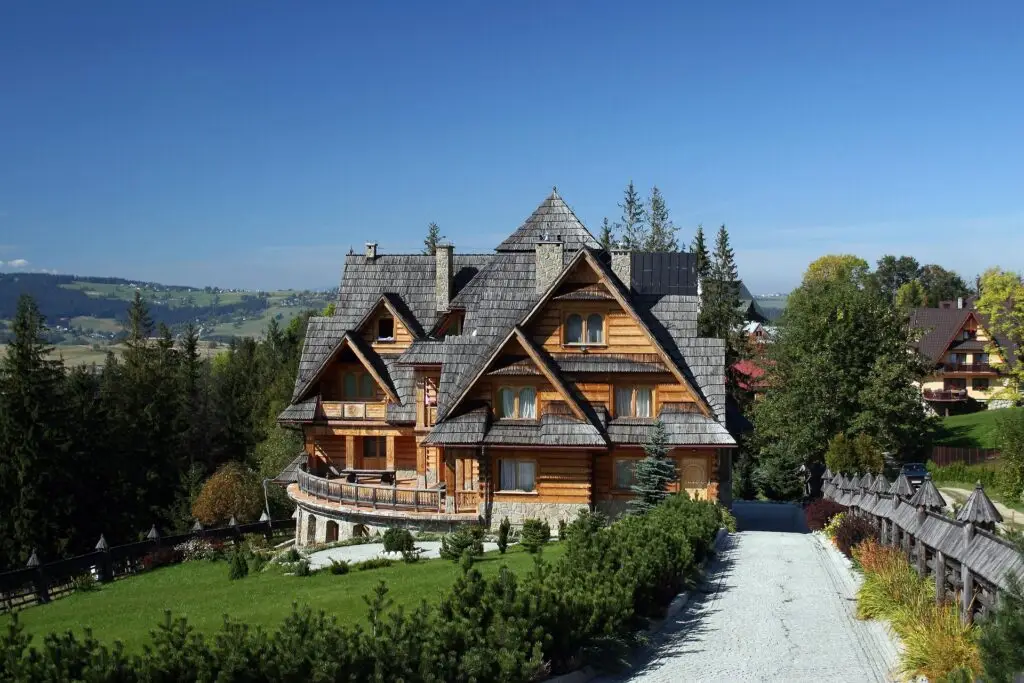
A roof is one of the few parts of your home you expect to last for decades. You install it, and ideally, you don’t think about it again for a very long time. That’s why choosing from today’s durable roofing materials matters more than most homeowners realize.
Not all roofs are built to age the same way. Some handle wind, heat, and heavy storms with ease. Others begin to show wear far sooner than expected. The difference often comes down to material quality, installation, and long-term weather resistance.
If you’ve ever asked yourself what the most durable roofing materials are today, you’re not alone. Durability affects everything. It affects repair frequency, total lifetime cost, and even resale value.
So instead of guessing, let’s break down the most durable roofing materials, ranked by lifespan, strength, and long-term performance.
What Makes a Roofing Material Durable?
Before ranking materials, it helps to understand what durability actually means. It’s not just about how long a roof lasts. It’s about how well it performs under stress.
A durable roof resists impact from hail and flying debris. It stands up to high winds without lifting or separating at the seams. That level of resilience matters more than ever. According to NOAA, the United States has experienced 396 weather and climate disasters that have caused more than $1 billion in damage each year since 1980, with total losses exceeding $2.78 trillion. Severe storms and extreme weather events continue to place significant stress on residential roofing systems nationwide.
Beyond storm resistance, a strong roofing system must also handle long-term exposure. It needs to withstand constant UV radiation without degrading prematurely and maintain structural integrity through decades of seasonal changes.
Here’s what separates average roofing from truly resistant roofing systems:
- Impact rating (Class 4 is highest)
- Wind resistance (often rated 110–180 mph)
- Fire resistance classification
- Weight and structural compatibility
- Maintenance requirements
- Manufacturer warranty coverage
Durability also depends on installation quality. Even the most durable roofing material can fail early if improperly installed. That’s why routine roof inspections and professional installation matter just as much as the product itself.
The Most Durable Roofing Materials Ranked
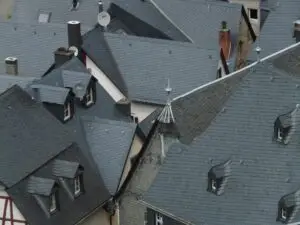
1. Slate Roofing (75–100+ Years)
When discussing the most durable roofing material, natural slate tops the list. Properly installed slate roofs can last 75 to over 100 years.
Slate is made from natural stone, which makes it extremely resistant to fire, wind, and weather. It holds up exceptionally well in harsh climates and requires minimal maintenance once installed.
Pros:
- Longest lifespan available
- Fire resistant
- Classic, high-end appearance
- Low maintenance
Cons:
- Very heavy
- Expensive
- Fragile during installation
- Requires structural reinforcement in some homes
Slate is unmatched in longevity. But for many homeowners, the weight and cost push them toward alternatives.
2. Synthetic Composite Roofing (40–50 Years)
If you want the look of slate or cedar without the structural demands, synthetic composite roofing is one of today’s strongest alternatives. Many products carry a Class 4 impact rating.
These materials are engineered for durability. They resist cracking, splitting, and hail damage far better than traditional asphalt systems.
Pros:
- High impact resistance
- Lightweight compared to slate
- Strong weather performance
- Often backed by long warranties
Cons:
- Higher upfront cost than asphalt
- Newer technology compared to traditional materials
Synthetic roofing offers an impressive balance between performance and practicality.
3. Standing Seam Metal Roofing (40–70 Years)
Metal roofing continues to gain popularity for a reason. A properly installed standing seam system can last 40 to 70 years.
Metal is one of the most consistent and resistant roofing options available. It sheds snow easily, withstands high winds, and offers excellent fire resistance.
Pros:
- Long lifespan
- Low maintenance
- High wind resistance
- Energy reflective
Cons:
- Higher upfront investment
- Potential noise during heavy rain
- Requires experienced installation
Metal roofs perform especially well in regions with frequent storms or heavy snowfall.
4. TPO Roofing (20–30+ Years)
For flat and low-slope systems, TPO roofing stands out as a durable solution. It’s widely used in commercial properties but increasingly seen in residential applications.
When properly installed, TPO systems resist UV exposure, seam separation, and moisture intrusion.
Pros:
- Cost-effective for flat roofs
- Reflective and energy efficient
- Lightweight
- Flexible membrane system
Cons:
- Installation quality heavily affects performance
- Shorter lifespan than slate or metal
For flat structures, TPO remains one of the strongest long-term options available.
5. Luxury Asphalt Shingles (25–30+ Years)
Asphalt shingles are common, but not all shingles are equal. Luxury or architectural shingles are thicker and more impact-resistant than standard 3-tab options.
If you’re looking for the most durable shingles in the asphalt category, premium laminated shingles are the best choice.
Pros:
- Affordable compared to premium materials
- Improved impact resistance
- Easier repair process
- Widely available
Cons:
- Shorter lifespan than metal or slate
- Requires periodic maintenance
For many homeowners, this is the most practical balance between durability and budget.
Even the strongest roof isn’t invincible.
The most durable roofing material can handle years of sun, wind, and rain. But storms don’t play fair. A flying branch doesn’t care whether your roof is slate or metal. Over time, sealants dry out. Flashing shifts. Small gaps appear around vents and penetrations.
And here’s the important part: that doesn’t mean the roof has failed.
Metal panels might dent, but still protect perfectly. A cracked slate tile can be replaced without touching the rest of the system. Even premium shingles can lose some granules after heavy weather while remaining structurally sound.
Durability gives you time. But inspections and small repairs protect that time.
Think of it this way: a durable roof is built to last decades. Minor maintenance is what actually allows it to reach that full lifespan.
Repair or Replace? Knowing When It’s Time
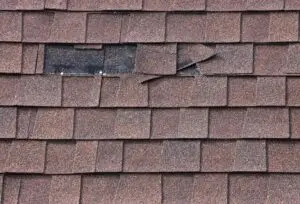
This is where decisions get real. If your roof is relatively young and the issue is localized, roof repair usually makes sense. A small section of damaged shingles or a flashing adjustment doesn’t justify replacing an entire system.
But when wear becomes widespread, the math changes. If your roof is nearing the end of its expected lifespan and repairs are piling up, roof replacement may be the smarter move. Replacing once is often less expensive than repairing repeatedly over several years.
There’s also a strategic angle to consider. Upgrading from standard shingles to metal or synthetic materials may dramatically extend your next replacement cycle. Instead of thinking 15 years ahead, you might be thinking 40 or more.
Durability isn’t just about surviving storms. It’s about reducing how often you have to think about your roof at all.
Choose a Roof You Won’t Have to Second-Guess
A roof should provide more than basic coverage. It should deliver long-term reliability and reduce the need for constant maintenance. When you invest in quality materials, you’re investing in fewer disruptions and greater peace of mind over time.
The best durable roofing materials are designed to withstand years of exposure to the elements without prematurely degrading. Slate offers unmatched longevity, metal delivers resilience in demanding climates, and synthetic systems combine strength with structural flexibility. Even premium shingles can provide dependable performance when installed correctly and maintained properly.
The smartest roofing decision isn’t about choosing the most expensive option available. It’s about selecting the material that fits your home’s structure, your local climate, and your long-term plans. That’s where experienced guidance makes a difference.
Power Roofing NYC helps homeowners evaluate durable options clearly and confidently, without pressure or guesswork. If you’re weighing your next move, contact Power Roofing NYC today for a clear and honest assessment tailored to your home.
A strong roof protects more than your house – it protects your investment. Make the right choice now, before small issues become costly ones.
Frequently Asked Questions
What are the most durable roofing materials?
The most durable roofing materials include slate, standing seam metal, and high-quality synthetic composite systems. These materials are designed to withstand wind, impact, fire, and long-term exposure to weather. While other roofing options can perform well, these three consistently rank highest in lifespan and structural strength. The best choice depends on your budget, climate, and your home’s structure.
What is the most durable roofing material overall?
Slate is widely considered the most durable roofing material available. When properly installed, it can last 75 to over 100 years with minimal maintenance. Its natural stone composition makes it extremely resistant to fire and harsh weather conditions. However, its weight and cost make it unsuitable for every home.
Are metal roofs more durable than shingles?
In most cases, yes. Metal roofing systems generally last longer than traditional asphalt shingles and offer stronger wind and fire resistance. They also shed snow and rain efficiently, reducing long-term stress on the structure. While the upfront investment is higher, the extended lifespan often balances the cost over time.
What are the most durable shingles available?
Luxury or architectural shingles are considered the most durable shingles in the asphalt category. They are thicker and more impact-resistant than standard three-tab shingles. Many manufacturers enhance them with advanced materials for better flexibility and storm performance. They provide a practical balance between durability and affordability.
How long does a durable roof typically last?
The lifespan of a durable roof varies by material. Premium shingles may last 25 to 30 years, while metal systems can reach 50 years or more. Slate roofing can exceed 100 years under ideal conditions. Proper roof installation and regular inspections play a major role in achieving full lifespan potential.
Is TPO considered durable roofing?
Yes, especially for flat or low-slope buildings. TPO roofing membranes are built to resist UV exposure, seam separation, and moisture intrusion. When installed correctly, they typically last 20 to 30 years. Their reflective surface also improves energy efficiency in warmer climates.
Does a durable roof require maintenance?
Even the strongest roofing systems benefit from periodic inspections. Flashing, sealants, and roof penetrations can wear down over time regardless of the main material. Routine maintenance helps identify small concerns before they develop into major repairs. Preventive care protects your investment long term.
Is investing in a more durable roof worth the higher upfront cost?
For many homeowners, it is. A longer lifespan and fewer repair cycles often reduce total ownership costs over time. Investing once can prevent repeated replacement expenses later.
Reach out to Power Roofing NYC for trusted advice today.


